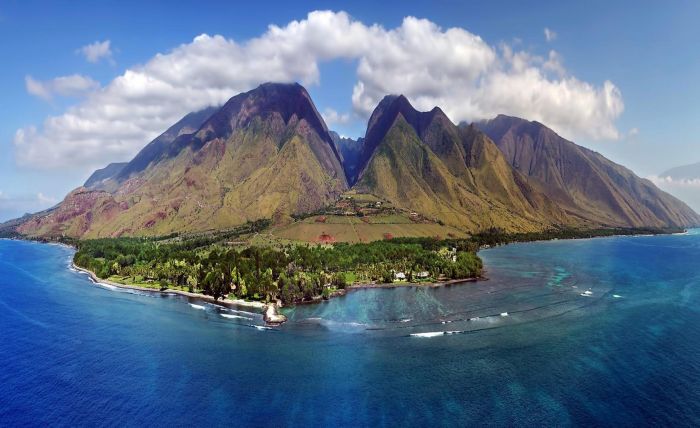
Journey with us to uncover the allure of exotic destinations, where vibrant cultures and breathtaking landscapes intertwine. We’ll explore diverse interpretations of “exotic,” examining how this concept shifts across cultures and individual experiences. From the bustling markets of Marrakech to the serene temples of Kyoto, we’ll delve into the unique cultural practices, historical significance, and immersive activities that define these captivating locales.
This exploration will encompass both luxury escapes and adventurous expeditions, highlighting the responsible tourism practices crucial for preserving these precious destinations for future generations.
We’ll navigate the spectrum of exotic travel, contrasting luxurious retreats with thrilling adventures, and examining the impact of tourism on both the environment and local communities. Our journey will be richly illustrated with vivid descriptions and stunning imagery, transporting you to these far-flung corners of the world. Prepare to be inspired to plan your own unforgettable cultural immersion.
Defining “Exotic”
The term “exotic” in the context of travel is inherently subjective, shifting based on individual backgrounds, cultural perspectives, and personal experiences. What one person finds thrillingly unusual, another might perceive as commonplace or even undesirable. This inherent fluidity makes defining “exotic travel” a fascinating and complex endeavor. Understanding this subjectivity is crucial for appreciating the diverse motivations behind seeking out such experiences.The concept of “exotic” is deeply intertwined with the traveler’s own cultural lens.
A Westerner might find the bustling markets of Marrakech exotic, while a Moroccan might find the quiet serenity of a Scandinavian forest equally unusual and captivating. Similarly, a resident of a large metropolis might find the simplicity of rural life in a developing nation exotic, while a person from a rural background might find the anonymity of a vast city far more unusual.
The perception of exoticism is, therefore, relative and culturally contingent.
Examples of Commonly Considered Exotic Destinations
Several destinations consistently feature on lists of “exotic” travel locations. These destinations often possess unique characteristics that differentiate them from the familiar. For example, the Amazon rainforest, with its unparalleled biodiversity and remote indigenous communities, consistently evokes a sense of the exotic due to its inaccessibility and stark contrast to urban life. Similarly, the remote islands of the Pacific, with their unique cultures and pristine beaches, often appeal to those seeking an escape from the ordinary.
The ancient cities of Petra and Angkor Wat, with their breathtaking architecture and rich histories, offer a glimpse into vastly different cultures and time periods, further reinforcing their exotic appeal. These destinations are not simply geographically distant; they represent a departure from the everyday norms and expectations of many travelers.
Comparing and Contrasting Aspects of Exotic Travel Experiences
Exotic travel experiences can encompass a broad spectrum of activities and motivations. Adventure travel, often characterized by physically demanding activities in remote locations like trekking in Nepal or white-water rafting in Costa Rica, provides a thrilling escape and a test of personal limits. This contrasts with cultural immersion experiences, which prioritize interaction with local communities, learning about their traditions, and participating in their daily lives.
Examples include homestays in rural villages or volunteering on community projects. Finally, some travelers seek relaxation and rejuvenation in exotic locations, focusing on wellness activities such as yoga retreats in Bali or spa treatments in a secluded Moroccan riad. These three facets – adventure, cultural immersion, and relaxation – are not mutually exclusive; many exotic travel experiences successfully blend elements of all three.
Hypothetical Survey on Exotic Travel Destinations
To better understand the diverse interpretations of “exotic” travel, a survey could be designed to gauge opinions across various demographics. The survey could include questions such as:
| Question | Response Type |
|---|---|
| What is your definition of an “exotic” travel destination? | Open-ended text |
| Rate the importance of the following factors in your choice of an exotic destination (on a scale of 1-5, 1 being least important, 5 being most important): Adventure, Cultural Immersion, Relaxation, Nature, History | Rating Scale |
| Which of the following destinations would you consider “exotic”? (multiple choice) | Multiple Choice (List of destinations including diverse options from various continents and cultures) |
| How much are you willing to spend on an “exotic” trip? | Multiple Choice (Ranges of spending) |
| What is your age range? | Multiple Choice (Age brackets) |
| What is your nationality? | Multiple Choice (List of countries) |
This survey, by incorporating both quantitative and qualitative data, could offer valuable insights into the multifaceted nature of the term “exotic” and the diverse factors influencing travel choices.
Top Cultural Exotic Destinations
Exploring the world’s diverse cultures unveils a tapestry of unique traditions, beliefs, and histories. These experiences offer a profound understanding of humanity’s rich heritage and provide opportunities for personal growth and enriching travel. This section highlights ten destinations that exemplify cultural exoticism, showcasing their captivating traditions and historical significance.
Top Cultural Exotic Destinations: A Global Overview
The following table presents ten culturally rich and exotic destinations, categorized by continent, detailing key cultural aspects and explaining their unique appeal. Each entry includes a suggested cultural experience for travelers to immerse themselves in the local way of life.
| Destination | Continent | Key Cultural Aspects | Why it’s Exotic |
|---|---|---|---|
| Kyoto, Japan | Asia | Traditional tea ceremonies, geisha culture, Zen gardens, intricate temples and shrines, meticulous craftsmanship (e.g., kimono making, pottery). | The meticulous preservation of ancient traditions alongside modern technological advancements creates a fascinating juxtaposition. The emphasis on politeness, respect for nature, and spiritual practices sets it apart. |
| Marrakech, Morocco | Africa | Vibrant souks (markets), intricate architecture (e.g., riads, mosques), traditional storytelling, Berber culture, rich culinary traditions, music and dance. | The sensory overload of the bustling souks, the contrasting beauty of ancient architecture against the backdrop of the Sahara Desert, and the rich blend of Arab, Berber, and African influences create a truly exotic experience. |
| Machu Picchu, Peru | South America | Inca civilization, sophisticated agricultural techniques, astronomical knowledge reflected in architecture, unique stonework, spiritual significance. | The breathtaking setting high in the Andes Mountains, coupled with the mystery surrounding the Inca’s advanced civilization and the impressive engineering of the site, makes it incredibly exotic. |
| Bhutan | Asia | Unique Gross National Happiness index, Buddhist monasteries and dzongs (fortresses), traditional arts and crafts, preservation of natural environment, distinct dress code. | Bhutan’s focus on Gross National Happiness over GDP, its strict preservation of its unique cultural identity, and its commitment to environmental sustainability sets it apart as an exceptionally exotic destination. |
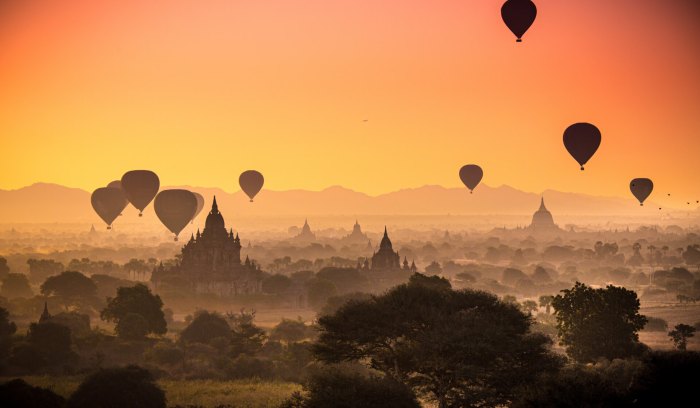
| Bagan, Myanmar | Asia | Thousands of ancient Buddhist temples and pagodas, vibrant religious festivals, traditional Burmese art and architecture, unique lacquerware craftsmanship. | The sheer number and density of ancient temples across the plains, the golden glow at sunset, and the enduring spiritual significance of the site make it an exceptionally exotic location. |
| Petra, Jordan | Asia | Nabataean civilization, rock-cut architecture, intricate water systems, ancient trade routes, rich history and mythology. | The breathtaking rock-cut city carved into the sandstone cliffs, its ancient history, and its strategic location along ancient trade routes make it a uniquely exotic destination. |
| New Orleans, USA | North America | Creole and Cajun cultures, unique blend of African, European, and Caribbean influences, jazz music, Mardi Gras celebrations, distinctive cuisine. | The unique blend of cultures resulting in a vibrant and distinctive cultural identity unlike anywhere else in the United States, makes it an exotic choice within North America. |
| Cairo, Egypt | Africa | Ancient Egyptian civilization, pyramids, Sphinx, Islamic architecture, bustling markets, vibrant street life. | The proximity to ancient wonders like the pyramids and Sphinx, combined with the rich history and vibrant modern city life, creates a unique and exotic experience. |
| The Himalayas (Nepal/India) | Asia | Diverse ethnic groups, Sherpa culture, high-altitude trekking, Buddhist monasteries, stunning mountain landscapes. | The dramatic mountainous terrain, the unique cultures of the various ethnic groups living in the region, and the spiritual significance of the high-altitude monasteries contribute to its exotic nature. |
| Uluru (Ayers Rock), Australia | Oceania | Aboriginal culture, Dreamtime stories, significant spiritual site, unique rock formations, stunning desert landscape. | The immense size and spiritual significance of Uluru for the Aboriginal people, its unique geological formation, and its remote desert setting make it a remarkably exotic destination. |
Experiencing the Culture
Engaging with the vibrant cultures of exotic destinations requires a mindful approach. Responsible tourism prioritizes respect for local traditions, environmental sustainability, and equitable economic benefits for host communities. Understanding and adhering to cultural norms is paramount to ensuring a positive and enriching experience for both travelers and residents.Responsible travel practices are essential for minimizing negative impacts and maximizing positive contributions.
This involves respecting local customs, supporting local businesses, and leaving minimal environmental footprints. It’s crucial to remember that you are a guest in another culture, and your actions reflect on both yourself and your home country.
Cultural Faux Pas and Their Avoidance
Avoiding cultural faux pas is crucial for fostering positive interactions. Misunderstandings can easily arise from unintentional actions, stemming from differing cultural norms and expectations. For instance, certain gestures considered polite in one culture might be offensive in another. Similarly, dress codes and social etiquette vary widely across the globe. Thorough research before your trip, including reading travel guides and seeking advice from individuals with experience in the destination, can significantly reduce the risk of unintentional offenses.
Respectful observation and a willingness to learn are also invaluable tools. When in doubt, err on the side of caution and ask politely if you are unsure about appropriate behavior. Active listening and a genuine interest in understanding local customs demonstrate respect and facilitate positive interactions.
Immersive Cultural Activities: Respectful Engagement
Participating in immersive cultural activities offers a unique opportunity to connect with local communities and gain a deeper understanding of their traditions. Examples include attending local festivals, participating in traditional crafts workshops, or engaging in community-based tourism projects. These activities provide authentic experiences while supporting local economies and fostering cross-cultural understanding. It’s important to remember that participation should always be respectful and never exploitative.
This means seeking out experiences that benefit local communities, avoiding activities that perpetuate harmful stereotypes, and respecting the privacy and dignity of individuals. Remember that genuine engagement involves active listening, respectful observation, and a willingness to learn.
Example 1: Attending a Traditional Festival in Bali
Imagine attending a Galungan festival in Bali. This Balinese Hindu holiday celebrates the victory of good over evil. The experience involves observing elaborate ceremonies, witnessing traditional dances like the Barong and Kris dance, and experiencing the vibrant atmosphere of the community celebrations. Respectful engagement involves dressing modestly, observing ceremonies quietly and respectfully from a distance, refraining from taking intrusive photos, and being mindful of not disturbing the sacred rituals.
It’s an opportunity to witness the deep spiritual significance of the event and appreciate the rich artistic traditions of Balinese culture. Participating respectfully demonstrates a deep appreciation for the local culture and contributes positively to the community.
Example 2: Participating in a Traditional Tea Ceremony in Japan
A traditional Japanese tea ceremony, or Chanoyu, provides a deeply immersive cultural experience. It’s more than just drinking tea; it’s a ritualized performance emphasizing mindfulness, harmony, and respect. The experience involves learning about the preparation of matcha, observing the precise movements of the tea master, and participating in the meditative atmosphere of the ceremony. Respectful engagement entails maintaining silence and stillness, avoiding unnecessary movements, and appreciating the aesthetic beauty of the ceremony.
This experience offers a window into the Japanese philosophy of wabi-sabi, appreciating the beauty of imperfection and impermanence. It is a profoundly respectful and meditative practice.
Example 3: Learning Traditional Weaving Techniques in Peru
In the Peruvian Andes, one might participate in a workshop learning traditional weaving techniques from local artisans. This involves learning about the history of Andean textiles, understanding the significance of the patterns and colors used, and participating in the hands-on process of weaving. Respectful engagement involves actively listening to the artisans’ stories, valuing their expertise, and appreciating the intricate skills involved in the craft.
Purchasing directly from the artisans supports their livelihoods and ensures that the cultural heritage is preserved and celebrated. This interaction provides an understanding of the cultural and economic importance of this traditional craft and allows for a respectful exchange of knowledge and skills.
Exploring exotic destinations offers a transformative experience, a chance to broaden perspectives and connect with cultures vastly different from our own. However, responsible travel is paramount. By embracing sustainable practices, respecting local customs, and supporting local communities, we can ensure that these extraordinary places remain vibrant and accessible for years to come. Let the allure of these unique destinations inspire you to plan your next adventure, remembering that mindful travel is key to preserving their magic.
Top FAQs
What is the best time of year to visit exotic destinations?
The ideal time varies greatly depending on the specific destination and its climate. Research the specific weather patterns and peak tourist seasons for your chosen location.
How much does it cost to travel to exotic destinations?
Costs vary drastically based on your choice of destination, travel style (luxury vs. budget), and length of stay. Thorough budgeting and research are essential.
What vaccinations are needed for exotic destinations?
Vaccination requirements depend entirely on your destination. Consult your doctor or a travel clinic well in advance of your trip to determine necessary vaccinations and preventative measures.
How do I find sustainable and responsible tour operators?
Look for operators certified by organizations focused on sustainable tourism, read online reviews focusing on their environmental and social practices, and directly inquire about their commitment to responsible tourism.


