
Asia, a continent brimming with diverse cultures and breathtaking landscapes, offers a plethora of exotic holiday destinations. From the ancient temples of Cambodia to the vibrant markets of Marrakech, the possibilities for unique and unforgettable travel experiences are seemingly endless. This exploration delves into the captivating allure of Asia’s hidden gems, considering what constitutes “exotic” in this context and highlighting some of the most enchanting destinations across Southeast, East, and South Asia.
We’ll examine sustainable tourism practices and provide insights to help you plan your perfect exotic Asian getaway.
This journey will navigate the diverse interpretations of “exotic” across various Asian cultures, factoring in unique landscapes, traditions, and wildlife. We’ll compare and contrast destinations based on their level of exotic appeal, catering to diverse traveler preferences – from adventurous thrill-seekers to those seeking relaxation and budget-friendly options. The aim is to provide a comprehensive guide to help you discover your ideal exotic Asian escape.
Defining “Exotic” in the Asian Context
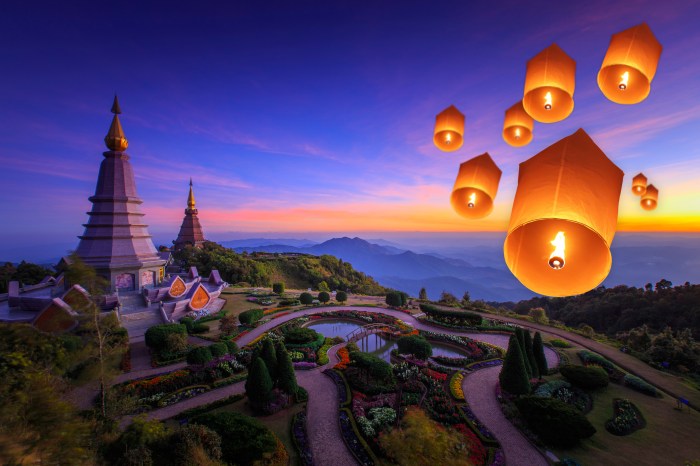
The term “exotic” when applied to Asian holiday destinations is inherently subjective, shaped by the lens of the traveler and influenced by prevailing cultural perceptions. What one person finds exotic, another might consider commonplace. This subjectivity is further complicated by the vast diversity of cultures, landscapes, and traditions across Asia. Understanding the nuances of this perception is crucial for accurately marketing and experiencing these destinations.
Defining “exotic” in an Asian context requires acknowledging the interplay between the traveler’s expectations and the destination’s unique characteristics. For Western travelers, the exotic might be associated with a perceived remoteness, untouched landscapes, or vibrant, unfamiliar cultural practices. However, this perception can be significantly different for Asian travelers, who may find “exotic” destinations within their own continent, defined by regional contrasts and historical significance.
For example, a bustling metropolis like Tokyo might be considered exotic by a rural villager from Southeast Asia, while a remote Himalayan village might hold a similar appeal for a city dweller from Tokyo.
Interpretations of “Exotic” Across Asian Cultures
Different Asian cultures hold varying interpretations of what constitutes an “exotic” experience. For instance, a traditional tea ceremony in Japan might be considered highly exotic to a Western tourist, yet relatively common and less extraordinary to a Japanese individual. Similarly, the vibrant festivals and bustling markets of Thailand might seem extremely exotic to someone from a more reserved culture, while a resident of Thailand might find the experience unremarkable.
The level of “exoticness” is therefore relative and context-dependent, varying across geographical regions, cultural backgrounds, and individual experiences. The perception is further influenced by media representation and the preconceived notions that travelers bring with them.
Factors Contributing to a Destination’s Exotic Appeal
Several factors contribute to a destination’s perceived exotic appeal. Unique landscapes, such as the rice terraces of Banaue in the Philippines or the stunning Ha Long Bay in Vietnam, immediately capture the imagination. Ancient temples and historical sites, like Angkor Wat in Cambodia or the Forbidden City in Beijing, offer glimpses into rich and often mysterious pasts. Endemic wildlife, from the orangutans of Borneo to the snow leopards of the Himalayas, adds an element of wonder and discovery.
Furthermore, unique cultural practices, including traditional ceremonies, local cuisine, and artistic expressions, contribute significantly to the overall exotic appeal. The level of interaction and immersion a traveler seeks also plays a crucial role in shaping their experience.
Categorization of Asian Destinations by Exotic Appeal
The following table categorizes some Asian destinations based on their level of exotic appeal, acknowledging that this is a subjective assessment and can vary based on individual preferences and experiences.
| Low Exotic Appeal (Familiar to Many) | Medium Exotic Appeal (Relatively Accessible, Unique Features) | High Exotic Appeal (Remote, Unique Culture, Challenging Access) | Extreme Exotic Appeal (Very Remote, Unique and Often Untouched Culture) |
|---|---|---|---|
| Bangkok, Thailand | Kyoto, Japan | Kathmandu, Nepal | Remote Villages in the Himalayas |
| Singapore | Hoi An, Vietnam | Luang Prabang, Laos | Papua New Guinea Highlands |
| Hong Kong | Siem Reap, Cambodia | Inle Lake, Myanmar | Amazonian regions of Indonesia |
| Seoul, South Korea | Chiang Mai, Thailand | Bhutan | Certain parts of the Amazon basin in Brazil |
Top Exotic Destinations
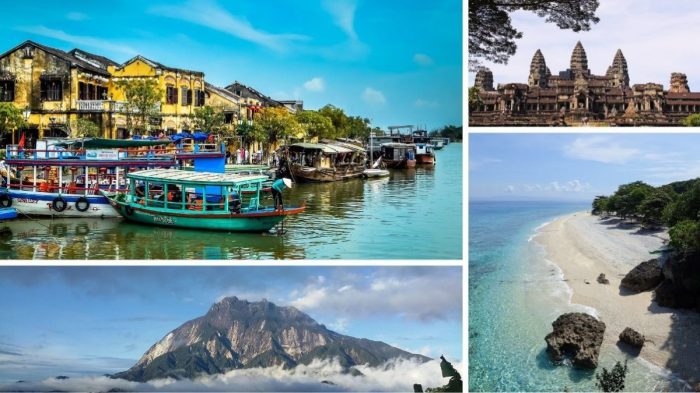
Southeast Asia, a vibrant tapestry woven from ancient traditions and breathtaking landscapes, offers a wealth of exotic holiday experiences. From bustling cities to tranquil rice paddies, the region caters to a diverse range of travel styles, promising unforgettable adventures for every type of explorer. This section highlights five unique destinations that embody the essence of an exotic Southeast Asian escape, detailing their cultural offerings and suitability for various traveler profiles.
Southeast Asia’s Exotic Gems
The following destinations represent a diverse selection of experiences, balancing cultural immersion with stunning natural beauty. Each location offers a unique blend of adventure, relaxation, and cultural discovery, catering to a wide spectrum of travel preferences.
- Luang Prabang, Laos: A serene town nestled amidst lush mountains and the Mekong River. Its ancient temples, vibrant markets, and tranquil atmosphere offer a unique blend of spirituality and cultural richness. The pace of life is slow and deliberate, making it ideal for those seeking a peaceful retreat.
- Inle Lake, Myanmar: A stunning lake surrounded by floating gardens and stilt villages. The unique leg-rowing fishermen, ancient pagodas, and serene landscapes create an unforgettable visual spectacle. This destination is perfect for those seeking a unique cultural experience combined with breathtaking natural beauty.
- Ha Giang, Vietnam: A remote province in northern Vietnam known for its dramatic karst mountains, rice terraces, and ethnic minority villages. The region is a haven for adventure travelers, offering opportunities for trekking, motorbike tours, and cultural immersion within unique communities.
- Railay Beach, Thailand: A stunning peninsula accessible only by boat, boasting dramatic limestone cliffs, pristine beaches, and turquoise waters. This destination offers a perfect blend of relaxation and adventure, with opportunities for rock climbing, kayaking, and simply lounging on the beach.
- Bako National Park, Borneo (Malaysia): A lush rainforest teeming with wildlife, including proboscis monkeys, orangutans, and various bird species. The park offers opportunities for jungle trekking, wildlife spotting, and exploring diverse ecosystems. This location is ideal for adventurous travelers seeking a close encounter with nature.
Destination Profiles: Pros & Cons
The following table summarizes the pros and cons of each destination for different traveler types.
| Destination | Adventurous Traveler | Relaxed Traveler | Budget-Conscious Traveler |
|---|---|---|---|
| Luang Prabang, Laos | Pros: Trekking opportunities, cultural immersion. Cons: Limited extreme adventure activities. | Pros: Peaceful atmosphere, beautiful temples. Cons: May be too quiet for some. | Pros: Affordable accommodation and food. Cons: May be more expensive during peak season. |
| Inle Lake, Myanmar | Pros: Boat trips, exploring villages. Cons: Limited extreme adventure. | Pros: Serene landscapes, peaceful boat rides. Cons: Can be crowded during peak season. | Pros: Relatively affordable, especially if you stay in local guesthouses. Cons: Internal transport can be costly. |
| Ha Giang, Vietnam | Pros: Motorbike tours, trekking, challenging terrain. Cons: Can be physically demanding. | Pros: Stunning scenery. Cons: May be too adventurous for some. | Pros: Affordable accommodation and food outside of tourist hubs. Cons: Transport costs can add up. |
| Railay Beach, Thailand | Pros: Rock climbing, kayaking. Cons: Limited options for other adventurous activities. | Pros: Beautiful beaches, relaxing atmosphere. Cons: Can be crowded, especially during peak season. | Pros: Wide range of accommodation options, including budget-friendly bungalows. Cons: Food and drink can be expensive in tourist areas. |
| Bako National Park, Borneo | Pros: Jungle trekking, wildlife spotting. Cons: Requires physical fitness. | Pros: Stunning natural beauty, peaceful hikes. Cons: May not be suitable for those who dislike insects or humidity. | Pros: Entrance fees are relatively low. Cons: Accommodation and transport within the park can be expensive. |
Visual Appeal of Each Destination
Luang Prabang presents a captivating panorama of golden-hued temples nestled amongst verdant hills, their spires piercing a sky often painted with the fiery hues of sunrise and sunset. Inle Lake unfolds as a mesmerizing tapestry of floating gardens, stilt villages, and the rhythmic strokes of leg-rowing fishermen against a backdrop of misty mountains. Ha Giang’s landscape is a breathtaking symphony of emerald rice terraces cascading down rugged karst mountains, a visual testament to the ingenuity of its people.
Railay Beach showcases a dramatic interplay of towering limestone cliffs plunging into crystal-clear turquoise waters, fringed by pristine white sand. Finally, Bako National Park reveals a lush, vibrant rainforest teeming with life, a kaleidoscope of green punctuated by the vibrant colors of exotic birds and monkeys swinging through the canopy.
Top Exotic Destinations
East Asia, a region brimming with ancient traditions and breathtaking landscapes, offers a unique blend of the familiar and the utterly unexpected. This section delves into three destinations that exemplify the exotic allure of the region, highlighting their historical significance, cultural richness, accessibility, and the experiences they provide for the discerning traveler.
Exotic East Asian Destinations: A Comparative Overview
Three distinct East Asian destinations stand out for their exotic appeal: Bhutan, Japan (specifically focusing on remote areas like the Tohoku region), and Yunnan Province in China. These locations offer vastly different experiences, yet each possesses a unique charm that captivates travelers seeking something beyond the ordinary.
Bhutan: The Land of the Thunder Dragon
Bhutan’s exotic appeal stems from its deliberate isolationism and preservation of its unique cultural heritage. For centuries, this Himalayan kingdom remained largely closed to the outside world, resulting in a culture remarkably untouched by globalization. The country’s adherence to Gross National Happiness (GNH) as a measure of national progress further emphasizes its unique approach to development. Its stunning landscapes, dominated by towering mountains, pristine forests, and ancient dzongs (fortresses), add to its exotic allure.
The unique historical and cultural aspects of Bhutan are evident in its rich Buddhist traditions, its distinct architectural style, and its strong sense of national identity. The vibrant festivals, the intricate thangkas (religious paintings), and the unique dress code all contribute to Bhutan’s exotic character.Accessibility to Bhutan is relatively limited, with controlled tourism policies designed to protect its environment and culture.
Infrastructure is developing, but it remains less developed than in many other Asian countries. The experience is often characterized by a slower pace of life, allowing visitors to fully immerse themselves in the culture and scenery. Typical activities include trekking through breathtaking landscapes, visiting ancient monasteries, experiencing traditional festivals, and learning about Bhutanese Buddhist practices.
Japan’s Tohoku Region: Untamed Beauty and Ancient Traditions
While Japan as a whole is a popular tourist destination, the Tohoku region in northern Honshu offers a distinctly exotic experience. Less developed than the major cities of Tokyo, Osaka, or Kyoto, Tohoku retains a strong sense of its rural heritage and offers a glimpse into a more traditional Japan. The region’s rugged coastline, hot springs (onsen), and ancient temples contribute to its exotic charm.The unique historical and cultural aspects of Tohoku are rooted in its rich samurai history, its preserved villages, and its distinct dialects.
The region’s relative isolation has allowed many of its traditional practices and customs to survive.Tohoku is relatively accessible, with good transportation links to other parts of Japan. However, some areas remain more remote and require more effort to reach. Infrastructure is generally good, though perhaps less extensive than in more urban areas. Typical activities include exploring ancient castles, visiting traditional crafts workshops, hiking in national parks, relaxing in onsen, and experiencing local festivals.
Yunnan Province, China: A Tapestry of Cultures and Landscapes
Yunnan Province in southwestern China is a melting pot of ethnic groups and cultures, making it a truly exotic destination. Its diverse landscapes, ranging from snow-capped mountains to lush rice terraces and deep gorges, contribute to its captivating beauty. The province’s unique blend of Han Chinese culture with numerous minority ethnic groups creates a rich tapestry of traditions and customs.The unique historical and cultural aspects of Yunnan are evident in its ancient trading routes, its diverse ethnic groups (including the Bai, Naxi, Dai, and Yi), and its unique architectural styles.
The province’s history as a crossroads of cultures has resulted in a fascinating blend of influences.Yunnan is relatively accessible, with major cities like Kunming well-connected to other parts of China and internationally. However, access to more remote areas can be challenging. Infrastructure is developing rapidly, but some areas still lack the same level of development as more populated regions.
Typical activities include visiting ancient towns, exploring diverse ethnic villages, trekking through stunning landscapes, experiencing unique cultural performances, and sampling the region’s diverse cuisine.
Top Exotic Destinations
South Asia, a region brimming with ancient cultures, vibrant traditions, and breathtaking landscapes, offers a unique brand of exotic travel experiences. Unlike the often-manicured resorts of other regions, South Asia’s exotic appeal lies in its raw beauty, its spiritual depth, and the unexpected encounters it offers the intrepid traveler. This isn’t simply about pristine beaches; it’s about immersing oneself in a world vastly different from the familiar.
South Asian Exotic Destinations: Unique Experiences
Three South Asian destinations stand out for their ability to provide unique and unforgettable experiences: Bhutan, Sri Lanka, and the Maldives. Each offers a distinct flavor of exoticism, shaped by its unique geography, culture, and history.
South Asian Exotic Destinations: Landscapes and Wildlife
The landscapes and wildlife of Bhutan, Sri Lanka, and the Maldives significantly contribute to their exotic image. Bhutan’s dramatic Himalayan scenery, with its towering mountains, pristine forests, and ancient monasteries clinging to cliffsides, evokes a sense of otherworldly beauty. Imagine trekking through rhododendron forests, encountering the elusive takin (a goat-antelope), and witnessing the breathtaking sunrise over the Himalayas. Sri Lanka, an island nation, boasts diverse ecosystems ranging from lush rainforests teeming with elephants, leopards, and monkeys to golden beaches and ancient tea plantations cascading down hillsides.
The Maldives, a collection of atolls in the Indian Ocean, is defined by its turquoise waters, white-sand beaches, and vibrant coral reefs. Snorkeling or diving reveals a kaleidoscope of colorful fish and marine life, creating an underwater paradise.
South Asian Exotic Destinations: Cost Comparison
The following table compares the approximate cost of travel, accommodation, and activities in these three destinations. Note that these are estimates and can vary greatly depending on the time of year, travel style, and specific choices made. Luxury travel will significantly increase costs across the board. Budget travel, on the other hand, can drastically reduce expenses, particularly in Sri Lanka.
| Destination | Travel (Roundtrip from major hubs) | Accommodation (per night) | Activities (per day) |
|---|---|---|---|
| Bhutan | $1000 – $2000+ | $100 – $500+ | $50 – $200+ |
| Sri Lanka | $500 – $1500 | $30 – $200 | $20 – $100 |
| Maldives | $800 – $2500+ | $150 – $1000+ | $100 – $500+ |
Sustainable and Responsible Exotic Tourism in Asia
The allure of Asia’s exotic destinations—from the ancient temples of Angkor Wat to the pristine beaches of the Maldives—draws millions of visitors annually. However, this influx of tourism presents a significant challenge: balancing economic benefits with the preservation of these unique environments and cultures. Uncontrolled tourism can lead to environmental degradation, cultural commodification, and economic disparities, ultimately diminishing the very qualities that make these places so attractive.
Sustainable and responsible tourism practices are therefore crucial to ensure the long-term viability and appeal of Asia’s exotic landscapes and communities.The environmental and social impacts of tourism on exotic Asian destinations are multifaceted and often interconnected. Environmental impacts include habitat destruction from unchecked development, pollution from transportation and waste disposal, and the depletion of natural resources through unsustainable practices.
Socially, the rapid influx of tourists can lead to the displacement of local communities, the erosion of traditional cultures through commercialization, and the creation of economic inequalities where the benefits of tourism are not evenly distributed. For instance, the over-tourism in Bali has resulted in significant strain on water resources and increased waste generation, while in certain areas of Southeast Asia, the rapid expansion of hotels has led to the displacement of local fishing communities.
Sustainable Tourism Practices in Exotic Asian Destinations
Implementing sustainable tourism practices requires a collaborative effort between governments, local communities, tourism operators, and individual travelers. Key strategies include promoting eco-friendly accommodations, supporting local businesses and artisans, minimizing waste generation, conserving water and energy, and respecting local customs and traditions. Examples include the development of community-based tourism initiatives, where local communities actively participate in and benefit from tourism activities, and the implementation of stricter environmental regulations to control pollution and habitat destruction.
Furthermore, the promotion of slow travel, encouraging visitors to spend more time in fewer locations, can reduce the environmental impact and allow for a more meaningful cultural exchange.
The Role of Responsible Travel in Preserving Exotic Appeal
Responsible travel plays a vital role in preserving the exotic appeal of Asian destinations. By making conscious choices about where they stay, what they eat, and how they travel, tourists can significantly reduce their environmental footprint and contribute to the well-being of local communities. Choosing eco-friendly accommodations, opting for public transportation or walking whenever possible, supporting local businesses that prioritize sustainability, and respecting local customs and traditions are all crucial aspects of responsible travel.
Furthermore, educating oneself about the cultural sensitivities of a destination before visiting and engaging with local communities in a respectful and mindful manner can contribute significantly to a more sustainable and positive tourism experience.
Tips for Minimizing Environmental Footprint in Exotic Asian Locations
The following tips can help travelers minimize their environmental impact while exploring exotic Asian destinations:
- Choose eco-friendly accommodations that prioritize sustainability and minimize their environmental footprint.
- Utilize public transportation, walk, or cycle whenever possible to reduce carbon emissions.
- Reduce water and energy consumption by taking shorter showers, turning off lights when leaving rooms, and reusing towels.
- Minimize waste generation by refusing single-use plastics, carrying a reusable water bottle, and properly disposing of waste.
- Support local businesses and artisans, contributing to the local economy and preserving traditional crafts.
- Respect local customs and traditions, and engage with local communities in a respectful and mindful manner.
- Learn basic phrases in the local language to enhance communication and show respect.
- Choose tour operators committed to sustainable practices and responsible tourism.
- Offset your carbon emissions by contributing to carbon offsetting programs.
- Leave no trace behind – pack out everything you pack in, and avoid disturbing the natural environment.
Ultimately, the search for the perfect exotic Asian holiday is a deeply personal one. Whether you’re drawn to ancient ruins, vibrant cityscapes, or untouched natural beauty, Asia offers a diverse range of experiences to suit every traveler. By embracing responsible and sustainable tourism practices, we can ensure these captivating destinations remain enchanting for generations to come. So, begin planning your adventure; the exotic wonders of Asia await.
Essential Questionnaire
What is the best time to visit Southeast Asia?
The best time varies by region. Generally, November to April offers the driest and most pleasant weather.
How much does an exotic Asian holiday typically cost?
Costs vary greatly depending on your destination, travel style, and duration. Budget-friendly options exist, but luxury travel can be quite expensive.
What vaccinations are recommended for travel in Asia?
Consult your doctor well in advance of your trip. Recommended vaccinations vary by destination and your personal health history.
Are visas required for all Asian countries?
Visa requirements vary significantly by nationality and destination. Check the specific visa requirements for each country you plan to visit well in advance.


