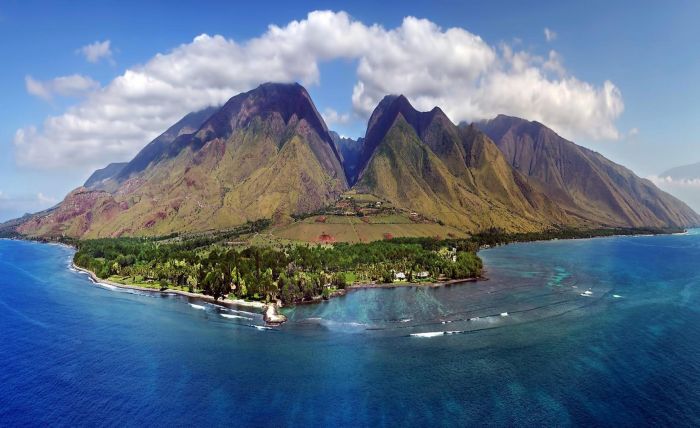
Escape the ordinary and journey into the heart of untouched wilderness. This exploration delves into the allure of remote exotic destinations, specifically those catering to the discerning nature lover. We’ll uncover criteria for defining these hidden paradises, highlighting unique geographic regions teeming with unparalleled biodiversity and cultural richness. Discover sustainable travel practices, cultural sensitivities, and practical planning tips for an unforgettable and responsible adventure.
From the lush rainforests harboring elusive creatures to the stark beauty of desolate landscapes, we’ll navigate the challenges and rewards of exploring these extraordinary places. This journey will equip you with the knowledge and inspiration to plan your own expedition, ensuring a minimal environmental impact while maximizing the richness of the experience.
Geographic Regions Featuring Remote Exotic Destinations
Many regions across the globe offer unparalleled opportunities for nature lovers seeking remote and exotic experiences. These areas, often characterized by challenging accessibility, reward intrepid travelers with breathtaking landscapes and unique biodiversity not found elsewhere. The following table details five such regions, highlighting their ecological features and the challenges involved in reaching them.
Remote Exotic Destinations: A Geographic Overview
The following table summarizes five geographically diverse regions renowned for their remote and exotic natural beauty, emphasizing their unique ecological characteristics, distinctive flora and fauna, and the accessibility challenges inherent in exploring them.
| Region | Notable Features | Unique Species | Accessibility Challenges |
|---|---|---|---|
| Amazon Rainforest (South America) | World’s largest rainforest, incredibly biodiverse, dense vegetation, vast river systems. | Jaguars, harpy eagles, pink river dolphins, anaconda snakes, countless endemic plant species (e.g., giant water lilies, orchids). | Remote locations, dense jungle, unpredictable weather, limited infrastructure, potential for disease. Travel often requires specialized guides and equipment. |
| Himalayan Region (Asia) | High-altitude mountains, glaciers, alpine meadows, deep gorges, diverse climates. | Snow leopards, red pandas, Tibetan antelopes, Himalayan tahr, rhododendrons, various high-altitude plants. | Extreme altitude, challenging terrain, unpredictable weather, limited infrastructure, permits and guides often required. |
| Galapagos Islands (Ecuador) | Volcanic islands, unique wildlife, marine ecosystems, relatively undisturbed environment. | Giant tortoises, marine iguanas, blue-footed boobies, Galapagos penguins, flightless cormorants. Many species are endemic. | Limited infrastructure on some islands, strict regulations to protect wildlife, travel primarily by boat, high cost. |
| Madagascar (Africa) | High level of endemism, diverse landscapes (rainforests, deserts, savannas), unique evolutionary history. | Lemurs (many species, including aye-aye), fossa, chameleon species (many highly specialized), baobab trees. | Limited infrastructure in many areas, challenging terrain, political instability in some regions, potential for disease. |
| Papua New Guinea (Oceania) | Dense rainforests, rugged mountains, coral reefs, high biodiversity. | Birds of paradise (many colorful species), tree kangaroos, cuscus, various endemic insects and reptiles. | Remote locations, challenging terrain, limited infrastructure, cultural sensitivity important, potential health risks. |
Sustainable Tourism Practices in Remote Locations
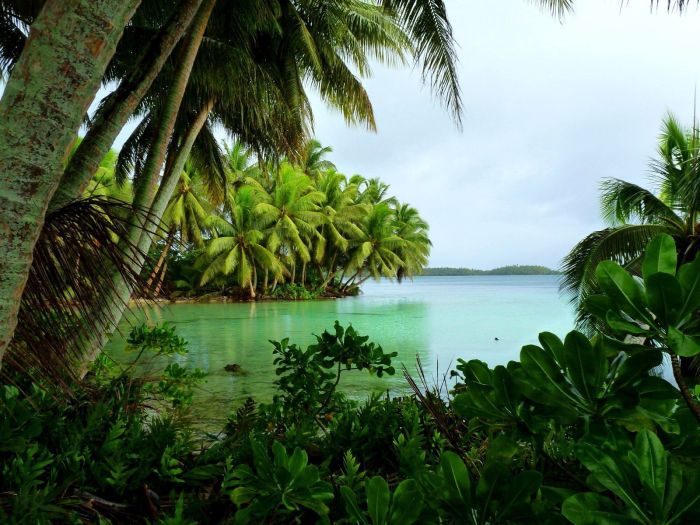
The allure of remote, exotic destinations for nature lovers is undeniable. However, the very fragility of these ecosystems makes them particularly vulnerable to the impacts of tourism. Uncontrolled visitor numbers can lead to environmental degradation, cultural disruption, and the erosion of the very qualities that attract tourists in the first place. Sustainable tourism practices are therefore crucial to ensure the long-term preservation of these unique places and the well-being of the communities that call them home.The environmental impact of tourism in remote areas can be significant and far-reaching.
Increased foot traffic can lead to soil erosion and habitat destruction. Waste disposal, particularly in areas lacking adequate infrastructure, poses a serious pollution threat to water sources and wildlife. The introduction of invasive species through tourism can disrupt delicate ecological balances, potentially leading to the displacement or extinction of native flora and fauna. Furthermore, the increased demand for resources, such as water and energy, can strain local supplies and contribute to carbon emissions.
Best Practices for Sustainable Tourism
Minimizing the environmental impact of tourism requires a multi-faceted approach involving collaboration between governments, local communities, tourism operators, and individual travelers. Sustainable tourism practices focus on minimizing environmental damage, maximizing economic benefits for local communities, and respecting local cultures and traditions. This involves careful planning and management of visitor numbers, the implementation of robust waste management systems, and the promotion of responsible consumption patterns among tourists.
Furthermore, supporting local businesses and communities ensures that the economic benefits of tourism are distributed equitably and contribute to the long-term sustainability of the destination.
Guidelines for Eco-Conscious Travelers
Responsible travel is paramount in protecting remote destinations. It’s crucial that visitors understand their role in preserving these fragile environments. The following guidelines provide a framework for minimizing individual environmental footprints:
- Plan your trip carefully: Research the destination thoroughly, understanding its environmental sensitivities and any restrictions on visitor access. Choose reputable tour operators committed to sustainable practices.
- Minimize your waste: Pack reusable water bottles, food containers, and shopping bags. Avoid single-use plastics as much as possible. Dispose of waste responsibly, carrying out everything you carry in.
- Respect wildlife: Maintain a safe distance from animals and avoid feeding them. Refrain from touching or disturbing plants or other natural features.
- Support local communities: Choose locally owned accommodations and businesses. Purchase souvenirs directly from artisans, ensuring fair wages and supporting local economies.
- Reduce your carbon footprint: Consider offsetting your travel emissions through reputable carbon offsetting programs. Choose eco-friendly transportation options whenever possible.
- Learn about the local culture: Respect local customs and traditions. Engage with the local community respectfully and learn about their way of life.
- Leave no trace: This principle is fundamental to responsible travel. It means leaving an area as you found it, or even better. This includes avoiding the use of soap in natural water sources, minimizing campfire impacts, and staying on marked trails.
Cultural Considerations in Remote Destinations
Visiting remote and exotic locations offers unparalleled opportunities for experiencing unique cultures, but it’s crucial to approach these encounters with sensitivity and respect. Failure to do so can lead to misunderstandings, offense, and even harm to the communities you’re visiting. Understanding and respecting local customs and traditions is paramount for ensuring a positive and ethical travel experience.Understanding the cultural nuances of remote destinations requires more than simply reading a guidebook; it involves actively engaging with the local population in a respectful manner.
This includes learning basic phrases in the local language, observing local customs, and being mindful of potentially sensitive topics. Ignoring cultural norms can be perceived as disrespectful and disruptive, negatively impacting both your experience and the well-being of the local community.
Respecting Local Customs and Traditions
Respect for local customs and traditions is fundamental to ethical travel. This encompasses a wide range of behaviors, from appropriate dress and interaction styles to understanding local social hierarchies and religious practices. For example, in some cultures, direct eye contact may be considered disrespectful, while in others, it’s a sign of engagement. Similarly, certain gestures or forms of physical touch might be inappropriate.
Before your trip, research the specific customs of the region you’re visiting and strive to adapt your behavior accordingly. This demonstrates respect and fosters positive interactions with locals. It’s important to remember that these customs are often deeply ingrained and hold significant meaning within their cultural context.
Ethical Guidelines for Interacting with Indigenous Communities
Ethical engagement with indigenous communities necessitates a commitment to principles of respect, reciprocity, and sustainability. This includes obtaining informed consent before photographing individuals or engaging in any form of interaction that could potentially disrupt their way of life. Supporting local businesses and initiatives contributes to the economic empowerment of these communities, and participating in cultural events, when appropriate and invited, demonstrates a genuine interest in learning and respecting their traditions.
It is also important to be mindful of the potential for cultural appropriation and to avoid any actions that could be seen as exploiting or commodifying their culture. For instance, avoid purchasing artifacts that might have been taken illegally or produced through unsustainable practices. Instead, support local artisans who create and sell their crafts ethically.
Examples of Cultural Sensitivity in Practice
Consider the example of a remote village in the Amazon rainforest. Before visiting, a traveler might research the local indigenous group’s customs regarding photography and interactions with outsiders. They might learn that it’s considered respectful to ask permission before taking photos and to offer a small gift in return. Similarly, learning a few basic phrases in the local language can significantly improve interactions and demonstrate respect.
In contrast, a traveler who enters the village without any prior knowledge, takes photos without permission, and engages in loud or disruptive behavior, could cause offense and damage the relationship between the travelers and the local community. This approach demonstrates a lack of cultural awareness and could have serious negative consequences.
Planning a Trip to a Remote Exotic Destination
Embarking on a journey to a remote, exotic location requires meticulous planning to ensure a safe, responsible, and fulfilling experience. This involves careful consideration of various factors, from logistical arrangements to environmental and cultural sensitivities. Thorough preparation minimizes risks and maximizes the opportunity to connect meaningfully with the destination.
Essential Pre-Trip Preparations
Planning a trip to a remote destination begins well in advance of departure. Effective planning reduces stress and improves the likelihood of a successful and enjoyable adventure. It involves a systematic approach to address various crucial aspects of the journey.
- Visa and Entry Requirements: Confirm visa requirements based on your nationality and the destination country. Allow ample time for visa applications, as processing times can vary significantly. For instance, some countries require several weeks, while others may offer visas on arrival, subject to specific conditions.
- Flights and Transportation: Book flights and arrange internal transportation well in advance, especially if traveling during peak season. Consider options like domestic flights, trains, buses, or private transfers, depending on the accessibility and infrastructure of the destination. Confirming bookings and having backup plans is crucial, especially in remote areas with limited connectivity.
- Accommodation: Secure accommodations that align with your budget and preferences. Options range from eco-lodges to guesthouses or camping, depending on the location and available infrastructure. Research reviews and book in advance, especially during peak seasons or for popular accommodations in remote areas.
- Travel Insurance: Comprehensive travel insurance is paramount for remote destinations. Ensure your policy covers medical emergencies, evacuation, lost luggage, and trip cancellations, especially in areas with limited medical facilities. Consider policies specifically designed for adventure travel or remote locations.
- Vaccinations and Health Precautions: Consult your doctor regarding necessary vaccinations and recommended health precautions for the specific destination. Discuss potential health risks and necessary medications. Pack a comprehensive first-aid kit and any prescribed medications.
Gear Selection and Weather Preparedness
Choosing the right gear is crucial for comfort and safety in a remote environment. Weather conditions in remote areas can be unpredictable and extreme.
Packing for varied weather conditions requires careful consideration. For example, a trip to a mountainous region might necessitate layers of clothing to adapt to fluctuating temperatures, including waterproof and windproof outerwear, thermal layers, and lightweight clothing. Similarly, a tropical destination may require lightweight, breathable clothing, rain gear, and sun protection. It’s essential to check weather forecasts before departure and pack accordingly.
- Backpack: A durable and appropriately sized backpack is essential for carrying all your gear. Consider factors like weight capacity, comfort, and weather resistance.
- Clothing: Pack layers of clothing suitable for varied weather conditions, including waterproof and windproof outerwear.
- Footwear: Sturdy, comfortable hiking boots are crucial for navigating varied terrains. Consider factors like ankle support, waterproofing, and breathability.
- Navigation and Communication: Pack a map, compass, GPS device, and a fully charged portable charger for your phone. Consider a satellite phone or personal locator beacon (PLB) for emergencies in areas with limited cell service.
- First-aid Kit: A comprehensive first-aid kit is essential, including any personal medications. Consider including items specific to the environment, such as insect repellent or sunscreen.
Understanding Local Laws and Emergency Protocols
Respecting local laws and customs is paramount. Understanding emergency protocols is crucial for safety.
Before traveling, research local laws and customs to ensure a respectful and responsible visit. This includes understanding any cultural sensitivities, dress codes, or restrictions on activities. Familiarize yourself with emergency contact numbers and procedures in case of unexpected events. Knowing the local emergency services and how to contact them is vital, as response times may differ significantly from those in urban areas.
It’s also advisable to inform someone of your itinerary and expected return date.
Examples of Remote Exotic Destinations
Exploring remote and exotic destinations offers unparalleled opportunities for nature enthusiasts to immerse themselves in pristine environments and encounter unique wildlife. These locations, often challenging to reach, reward travelers with breathtaking landscapes and unforgettable experiences. The following table highlights ten such destinations, showcasing their distinct attributes and ideal activities.
Remote Exotic Destinations for Nature Lovers
| Destination | Location | Notable Features | Recommended Activities |
|---|---|---|---|
| Socotra Island | Yemen | Unique flora and fauna, including the Dragon’s Blood Tree, dramatic limestone cliffs, and pristine beaches. | Hiking, exploring unique plant life, snorkeling, diving. |
| Galapagos Islands | Ecuador | Volcanic landscapes, diverse marine life including giant tortoises, blue-footed boobies, and marine iguanas. | Cruises, wildlife viewing, snorkeling, diving, hiking. |
| Torres del Paine National Park | Chile | Granite peaks, glaciers, turquoise lakes, diverse wildlife including guanacos and pumas. | Trekking (W Trek, O Circuit), kayaking, wildlife viewing. |
| Amazon Rainforest | South America (Brazil, Peru, Colombia, etc.) | Vast rainforest, incredible biodiversity, including monkeys, jaguars, and countless bird species. | Jungle treks, wildlife spotting, river cruises, birdwatching. |
| Raja Ampat Islands | Indonesia | Coral reefs, incredible marine biodiversity, pristine beaches, lush rainforests. | Diving, snorkeling, kayaking, island hopping. |
| Bhutan | Himalayas | Mountainous terrain, stunning monasteries, diverse flora and fauna, including the elusive snow leopard. | Trekking, cultural tours, visiting monasteries, wildlife viewing. |
| Antarctica | Southern Hemisphere | Icebergs, glaciers, penguins, whales, seals, and a unique, pristine environment. | Cruise expeditions, wildlife viewing, photography. |
| New Zealand’s Fiordland National Park | New Zealand | Fjords, rainforests, waterfalls, abundant birdlife, including the kea. | Hiking (Milford Track), kayaking, boat trips, wildlife viewing. |
| Madagascar | Off the coast of Africa | Unique flora and fauna, including lemurs, chameleons, and baobab trees. | Wildlife safaris, hiking, exploring unique ecosystems. |
| Northern Territory, Australia | Australia | Uluru (Ayers Rock), vast deserts, unique wildlife, including kangaroos, dingoes, and reptiles. | Desert treks, wildlife viewing, cultural tours of Aboriginal sites. |
Exotic Destinations
The term “exotic destination” often conjures images of pristine beaches and lush rainforests, but the concept encompasses far more than just natural beauty. It’s about experiencing something profoundly different from one’s everyday life, a journey that sparks curiosity and creates lasting memories. This difference can stem from unique cultures, historical significance, unusual landscapes, or a combination of these factors.
The allure lies in the sense of escape and discovery, the opportunity to immerse oneself in a place unlike any other.Exotic destinations offer a wide range of experiences beyond the purely natural. While untouched wilderness holds a powerful appeal, many travelers seek adventure and cultural immersion in equally compelling ways. The appeal of these diverse experiences shapes travel choices and highlights the multifaceted nature of the “exotic.”
Examples of Non-Nature Focused Exotic Destinations
Many destinations offer a compelling blend of cultural richness and unique experiences, even without relying heavily on natural landscapes. For instance, a trip to Marrakech, Morocco, offers a vibrant immersion into a bustling souk (marketplace), the intricate architecture of palaces and mosques, and the rich tapestry of Berber culture. The sensory overload of sights, sounds, and smells creates an undeniably exotic experience.
Similarly, exploring the ancient ruins of Angkor Wat in Cambodia provides a journey through time, immersing visitors in the grandeur of Khmer civilization. The sheer scale and historical significance of the temples offer a profoundly different experience compared to a nature-focused trip. Finally, a visit to Tokyo, Japan, offers a futuristic contrast to traditional elements, showcasing cutting-edge technology alongside ancient temples and serene gardens.
This blend of modernity and tradition creates a unique and exotic experience for many.
Comparing Appeals of Nature and Culture Focused Exotic Travel
Nature-focused exotic destinations typically emphasize tranquility, solitude, and a connection with the natural world. Activities might include hiking, wildlife viewing, or simply relaxing in a stunning setting. The appeal lies in escaping the hustle and bustle of daily life and reconnecting with nature’s beauty. In contrast, culture-focused exotic destinations prioritize immersion in a different culture, exploring historical sites, interacting with locals, and experiencing unique traditions.
The appeal here lies in broadening one’s horizons, learning about different ways of life, and expanding one’s understanding of the world. While both types of destinations offer unique experiences, the ideal choice depends on the traveler’s personal preferences and desired level of interaction with nature and culture. Some destinations, like those mentioned above, successfully blend both aspects, offering a multifaceted and enriching travel experience.
Visual Representation of Exotic Destinations
The visual appeal of remote exotic destinations is a crucial element in their allure for nature lovers. More than just pretty pictures, these landscapes offer a sensory experience, a feast for the eyes that deeply connects the traveler to the raw beauty of the planet. The unique interplay of color, texture, and atmosphere creates a powerful sense of place, leaving lasting impressions long after the journey ends.The visual aspects of these locations significantly contribute to their overall appeal by offering a sense of escape and immersion in untouched natural beauty.
The vibrant colors, intricate textures, and unique atmospheric qualities create a powerful emotional response in the viewer, fostering a profound connection with nature. This visual richness fuels the desire for exploration and discovery, drawing nature enthusiasts to these remote corners of the world.
Visual Description of Three Remote Destinations
Let’s explore three distinct destinations, each offering a unique visual palette: the vibrant coral reefs of Raja Ampat, Indonesia; the stark, dramatic landscapes of Socotra Island, Yemen; and the lush, misty rainforests of the Amazon Basin.Raja Ampat’s underwater world explodes with color. Imagine a kaleidoscope of blues, from the deep indigo of the ocean depths to the turquoise shallows, punctuated by the vibrant hues of coral in every shade imaginable – fiery orange, shocking pink, sunshine yellow.
The textures are equally diverse: the smooth, silken skin of a reef fish contrasting with the rough, textured surface of a brain coral. The overall atmosphere is one of vibrant energy, teeming with life and movement. Sunlight filtering through the water creates shifting patterns of light and shadow, enhancing the spectacle.Socotra Island presents a starkly different visual experience.
Here, the landscape is dominated by shades of ochre, beige, and terracotta, the colors of sun-baked earth and ancient stone. The textures are rough and weathered, reflecting the harsh, arid climate. The Dragon’s Blood trees, with their unique, umbrella-like canopies and crimson sap, stand out against the muted background, adding splashes of intense color. The atmosphere is one of stark beauty and quiet solitude, a landscape sculpted by time and wind.
The intense sunlight casts long, dramatic shadows, emphasizing the contours of the unique flora and the rocky terrain. The infrequent rains create a temporary but dramatic change, transforming the dry landscape into a vibrant, green oasis.The Amazon rainforest is a tapestry of deep greens, punctuated by the vibrant colors of exotic flowers and birds. Imagine a vast expanse of emerald green, varying in shade from the deepest jungle shadows to the lighter hues of the canopy.
The textures are lush and varied – the smooth bark of ancient trees, the rough texture of bromeliads, the velvety softness of moss-covered rocks. The atmosphere is one of dense humidity and quiet mystery, a world teeming with unseen life. The dappled sunlight filtering through the dense canopy creates a mystical atmosphere, with beams of light illuminating the forest floor.
Heavy rains create a dramatic wash of green, enhancing the vibrancy of the foliage. The changing light conditions throughout the day create an ever-shifting visual experience.
Exploring remote exotic destinations offers a unique opportunity for self-discovery and a deeper connection with the natural world. By understanding the delicate balance of these ecosystems and respecting the cultures that call them home, we can ensure the preservation of these invaluable treasures for generations to come. Remember, responsible travel is not just about minimizing our footprint; it’s about maximizing the positive impact we have on the communities and environments we visit.
Embark on your adventure with intention, and return with a renewed appreciation for the planet’s breathtaking diversity.
Top FAQs
What is the best time of year to visit remote destinations?
The ideal time varies greatly depending on the specific location and its climate. Research the region’s weather patterns and consider factors like rainfall, temperature, and potential for extreme weather events.
How do I stay safe in remote areas?
Thorough pre-trip research is crucial. Inform someone of your itinerary, carry appropriate safety gear (first-aid kit, communication devices), be aware of local wildlife and potential hazards, and adhere to safety guidelines provided by local authorities or tour operators.
What vaccinations or health precautions are needed?
Consult your doctor well in advance of your trip. Required vaccinations and recommended health precautions will vary depending on your destination and your personal health history. Malaria prophylaxis may be necessary in certain areas.
How much does a trip to a remote exotic destination cost?
Costs vary widely based on factors like destination, duration, travel style (luxury vs. budget), and activities undertaken. Expect higher costs for more remote and less accessible locations.


