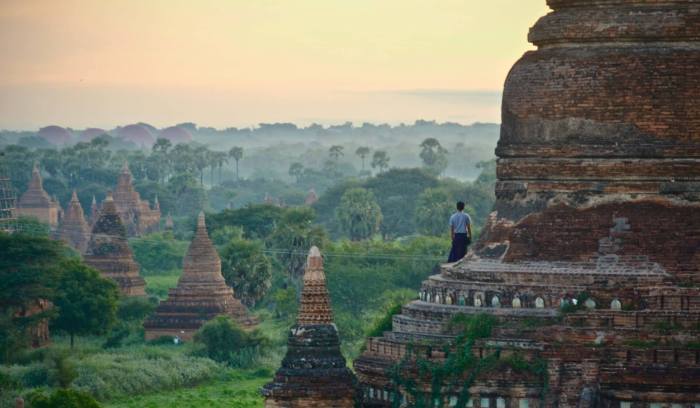
Asia, a continent of breathtaking diversity, offers a wealth of travel experiences beyond the typical tourist trail. From the bustling markets of Southeast Asia to the serene temples of East Asia and the rugged landscapes of South Asia, the possibilities for unique and unforgettable adventures are endless. This exploration delves into lesser-known destinations, uncovering hidden gems and highlighting the cultural richness and natural beauty that make Asia truly exotic.
We’ll navigate through diverse landscapes, from lush rainforests teeming with wildlife to ancient ruins whispering tales of bygone empires. We will explore unique cultural practices, delving into the heart of local traditions and the captivating stories they tell. Prepare to be inspired by the unparalleled beauty and cultural depth of Asia’s hidden corners.
Defining “Exotic” in Asian Context
The term “exotic,” when applied to Asian travel destinations, often carries a complex and potentially problematic weight. It’s crucial to approach this concept with sensitivity, recognizing that what one culture considers “exotic” might be commonplace or even mundane within another. A nuanced understanding is essential to avoid perpetuating harmful stereotypes and appreciate the rich diversity of Asian cultures and landscapes.The perception of a destination as “exotic” is shaped by a confluence of factors.
Unique and striking landscapes, such as the rice terraces of Banaue in the Philippines or the towering Himalayas, undoubtedly contribute to this perception. However, it’s equally, if not more, influenced by cultural practices that differ significantly from the traveler’s own background. These might include distinct culinary traditions, elaborate religious ceremonies, unique forms of artistic expression, or traditional clothing styles.
Furthermore, the historical significance of a place – ancient ruins, bustling historical cities, or sites of significant cultural events – also plays a vital role in shaping its “exotic” appeal.
Factors Contributing to the Perception of “Exotic” Destinations
The allure of “exotic” Asian destinations stems from a combination of elements that create a sense of otherness and wonder. The visually stunning landscapes, often dramatically different from Western landscapes, immediately capture attention. For example, the vibrant coral reefs of the Indonesian archipelago or the stark beauty of the Gobi Desert present a stark contrast to the familiar environments of many tourists.
Beyond the visual, however, the cultural practices and traditions of a region heavily influence its “exotic” appeal. The intricate details of a traditional Thai dance performance, the vibrant colors and patterns of a kimono in Japan, or the ancient rituals of a Balinese temple ceremony all contribute to this feeling of encountering something profoundly different and captivating. Finally, historical significance imbues places with an aura of mystery and intrigue.
The ancient temples of Angkor Wat in Cambodia, the Great Wall of China, or the historical sites of Kyoto, Japan, offer glimpses into rich and complex pasts, adding layers of depth and fascination to the travel experience.
Differing Interpretations of “Exotic” Across Asian Cultures
The very concept of “exotic” is inherently subjective and culturally contingent. What one Asian culture might consider commonplace or even unremarkable, another might find exceptionally exotic. For example, the bustling street food markets of Bangkok might be considered everyday life for Thais, but they might be viewed as remarkably vibrant and exotic by visitors from more structured urban environments.
Similarly, the traditional farming practices of rural Vietnam might be seen as quite ordinary by Vietnamese people, yet incredibly unique and intriguing to those unfamiliar with such traditions. The relative “exoticness” of a destination is therefore shaped by the cultural background and experiences of the observer, highlighting the importance of respectful and mindful engagement with local cultures rather than simply applying a blanket term like “exotic.”
Top Exotic Destinations
Southeast Asia, a vibrant tapestry woven from diverse cultures, breathtaking landscapes, and ancient histories, offers a wealth of travel experiences. Beyond the well-trodden tourist paths lie hidden gems, promising unique and immersive adventures for the discerning traveler. This section delves into five lesser-known destinations that showcase the region’s exotic charm.
Lesser-Known Exotic Destinations in Southeast Asia
These five destinations offer a unique blend of cultural immersion, natural beauty, and exciting activities, ensuring a memorable and enriching travel experience far from the usual tourist hotspots.
| Destination | Description | Key Activities | Image Description |
|---|---|---|---|
| Raja Ampat, Indonesia | A remote archipelago in West Papua, renowned for its unparalleled marine biodiversity and pristine coral reefs. It boasts over 1,500 fish species and 700 coral species, making it a diver’s paradise. | Scuba diving, snorkeling, island hopping, kayaking, exploring traditional villages. | A vibrant underwater scene teeming with colorful coral reefs, diverse fish species, and sunlight filtering through the crystal-clear water. A traditional Papuan longboat is visible in the background, adding a sense of local culture. |
| Luang Prabang, Laos | A charming town nestled amidst lush mountains, Luang Prabang is a UNESCO World Heritage site known for its serene atmosphere, ancient temples, and rich cultural heritage. | Visiting ancient temples (Wat Xieng Thong, Wat Mai Suwannaphumaham), exploring the Kuang Si Falls, taking a boat trip on the Mekong River, participating in the daily alms giving ceremony. | A panoramic view of Luang Prabang, showcasing the golden-roofed temples nestled amongst verdant hills. The Mekong River gently flows in the foreground, with traditional Laotian boats navigating its waters. |
| Myeik Archipelago, Myanmar | An unspoiled archipelago comprising over 800 islands, offering a secluded escape with pristine beaches, hidden lagoons, and diverse wildlife. | Island hopping, snorkeling, diving, exploring secluded beaches, kayaking through mangroves, encountering diverse birdlife. | A tranquil scene of a secluded beach on one of the Myeik Archipelago islands, with turquoise waters lapping gently against white sand. Lush tropical vegetation surrounds the beach, creating a sense of seclusion and untouched beauty. |
| Battambang, Cambodia | A historic city in northwestern Cambodia, Battambang boasts a rich colonial past, beautiful architecture, and a relaxed atmosphere. | Exploring colonial architecture, visiting the Phnom Banan temple, taking a bamboo train ride, experiencing the sunset from a hilltop vantage point, visiting local markets. | A view of Battambang’s colonial architecture, with French-style buildings lining a tree-lined street. A traditional Khmer cart or bicycle rickshaw adds a touch of local life to the scene. |
| Sapa, Vietnam | Nestled in the Hoang Lien Son mountain range, Sapa offers breathtaking rice terraces, stunning mountain scenery, and opportunities to interact with local ethnic minority groups. | Trekking through rice terraces, exploring local villages, interacting with ethnic minority communities, visiting Cat Cat village, enjoying panoramic mountain views. | A sweeping vista of vibrant green rice terraces cascading down the mountain slopes. Traditional houses of the ethnic minority groups are scattered amidst the terraces, adding a cultural dimension to the landscape. |
Top Exotic Destinations
East Asia, often overshadowed by its more popular Southeast Asian counterparts, harbors a wealth of unique and lesser-known destinations brimming with cultural richness and historical significance. These locations offer travelers a chance to delve into ancient traditions, explore breathtaking landscapes, and experience a side of Asia often missed by the typical tourist trail. This section highlights three such destinations, focusing on their exotic appeal and unique cultural experiences.
Unique Destinations in East Asia: Exploring Cultural Richness and Historical Significance
This section details three lesser-known destinations in East Asia, emphasizing their unique cultural practices and historical significance. Each location offers a distinctive blend of history, tradition, and natural beauty, contributing to their exotic allure.
Aomori Prefecture, Japan: A Blend of Nature and Tradition
Aomori Prefecture, located on the northernmost tip of Honshu, Japan’s main island, offers a stark contrast to the bustling cities of Tokyo and Kyoto. Its rugged coastline, dramatic mountains, and serene countryside provide a tranquil escape. The region is renowned for its Nebuta Matsuri, a vibrant summer festival featuring massive, illuminated floats depicting mythical figures and historical events.
This festival, with its energetic atmosphere and unique artistry, showcases the region’s rich cultural heritage. Beyond the festival, Aomori boasts stunning natural beauty, including Lake Towada, a caldera lake surrounded by lush forests and volcanic peaks. The region’s unique apple orchards also contribute to its distinct identity, offering a taste of rural Japan and a different experience compared to the urban centers.
Aomori offers a journey into a less-traveled part of Japan, revealing a culture deeply rooted in both nature and tradition.
- Nebuta Matsuri: A spectacular summer festival with giant, illuminated floats.
- Lake Towada: A stunning caldera lake surrounded by breathtaking natural beauty.
- Apple Orchards: A significant part of Aomori’s agricultural landscape and economy.
- Tsugaru Shamisen: A traditional three-stringed musical instrument unique to the region.
Jiuzhaigou Valley, China: A Fairytale Landscape
Jiuzhaigou Valley, located in Sichuan Province, China, is a breathtaking natural wonder. Its cascading waterfalls, vibrant turquoise lakes, and snow-capped mountains create a landscape that seems almost unreal. This UNESCO World Heritage site is renowned for its exceptional biodiversity and stunning scenery, offering hiking trails and opportunities for exploration. While its beauty is a major draw, the valley also holds cultural significance for the Tibetan and Qiang people who have inhabited the region for centuries.
Their unique traditions and spiritual practices are intertwined with the landscape, adding another layer to the area’s exotic appeal. Exploring Jiuzhaigou is a journey into a world of unparalleled natural beauty and a glimpse into the lives of its indigenous inhabitants.
- Multi-hued Lakes: The valley is famous for its stunning turquoise and emerald-colored lakes.
- Waterfalls: Numerous cascading waterfalls add to the valley’s spectacular scenery.
- Snow-capped Mountains: The towering peaks provide a dramatic backdrop to the valley.
- Tibetan and Qiang Culture: The area’s indigenous communities add a rich cultural dimension.
Hoi An, Vietnam: A Charming Ancient Trading Port
Hoi An, a UNESCO World Heritage city in central Vietnam, offers a captivating blend of Vietnamese, Chinese, and Japanese influences. Once a bustling international trading port, Hoi An retains its historical charm through its well-preserved architecture, ancient temples, and vibrant street life. The city’s tailor shops, lantern-lit streets, and delicious cuisine contribute to its unique atmosphere. Beyond the main tourist areas, exploring the smaller alleyways and local markets reveals a glimpse into the everyday life of the city’s inhabitants, offering a more authentic and less-traveled experience.
The city’s history as a melting pot of cultures makes it a truly exotic destination, providing a unique and memorable travel experience.
- Ancient Architecture: A mix of Vietnamese, Chinese, and Japanese architectural styles.
- Tailor Shops: Hoi An is renowned for its skilled tailors and affordable custom clothing.
- Lantern-lit Streets: The city’s streets are beautifully illuminated at night.
- Traditional Cuisine: Hoi An offers a diverse culinary scene with unique dishes.
Discovering exotic destinations in Asia is not merely about ticking off locations on a map; it’s about immersing oneself in a tapestry of cultures, landscapes, and experiences that leave a lasting impact. Whether you seek thrilling adventures in nature or profound cultural immersion, Asia’s hidden gems offer a journey unlike any other. The key is responsible exploration, respecting local customs and preserving the unique environments that make these destinations so captivating.
Embark on your own adventure, and discover the magic that awaits.
Questions Often Asked
What is the best time to visit Southeast Asia?
The ideal time varies by region. Generally, November to April offers the best weather in many areas, but the shoulder seasons (May-June and September-October) can provide pleasant conditions with fewer crowds.
How safe is traveling solo in Asia?
Safety varies by destination. Research specific locations and exercise standard precautions like keeping valuables secure and being aware of your surroundings. Many areas are perfectly safe for solo travelers, but caution is always advised.
What are the visa requirements for Asian countries?
Visa requirements differ significantly depending on your nationality and the specific country. Check the embassy or consulate website of your intended destination well in advance of your trip.
What’s the best way to get around in Asia?
Transportation options vary widely. Options include domestic flights, trains, buses, and renting motorbikes or cars (depending on the location and your comfort level). Research local transportation options before your trip.


