
Escape the ordinary and discover a world of thrilling adventures amidst breathtaking exotic landscapes. This exploration delves into the allure of adventure-filled exotic holidays, examining what defines them, showcasing popular destinations, detailing exciting activities, and providing practical guidance for planning your own unforgettable journey. We’ll uncover the unique elements that transform a typical vacation into an extraordinary adventure, considering both the thrill of the activities and the captivating beauty of the locations.
From navigating treacherous terrains to immersing oneself in vibrant cultures, the possibilities are endless. We’ll uncover the best destinations, the most exhilarating activities, and the crucial aspects of planning a safe and responsible adventure. Whether you’re a seasoned explorer or a first-time adventurer, this guide will equip you with the knowledge and inspiration to craft an unforgettable exotic holiday.
Defining “Adventure-Filled Exotic Holiday Destinations”
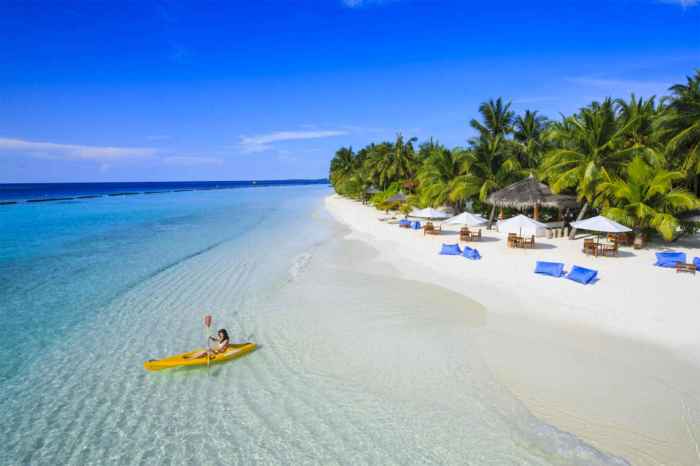
An adventure-filled exotic holiday destination transcends the typical vacation experience, offering a blend of thrill-seeking activities and immersion in unique, often remote, cultures and environments. Unlike a relaxing beach holiday or a city break focused on sightseeing, these destinations prioritize active participation in unusual and challenging experiences, pushing personal boundaries while simultaneously exploring the unfamiliar.The key differentiators lie in the emphasis on adventure and exoticism.
“Adventure” implies a significant element of physical activity, risk-taking (within safe parameters, of course), and the potential for unexpected challenges. This could involve trekking through jungles, white-water rafting, rock climbing, or exploring uncharted caves. “Exotic” refers to the unusual and unfamiliar aspects of the destination, encompassing unique landscapes, distinct cultures, and wildlife not typically encountered in everyday life. This might include experiencing the vibrant markets of Marrakech, witnessing the Northern Lights in Iceland, or encountering diverse wildlife on a safari in Tanzania.
The combination creates a transformative travel experience, leaving lasting memories and a sense of accomplishment.
Adventure-Filled Exotic Holiday Destination Classification
A useful classification system for these destinations considers both the activity level and geographical location. This allows travelers to select experiences tailored to their preferences and fitness levels. High-activity destinations might involve physically demanding multi-day treks or extreme sports, while low-activity options could include exploring local markets, visiting cultural sites, and enjoying wildlife viewing opportunities with minimal physical exertion.
Geographical location can further refine the options, differentiating between mountainous regions, tropical rainforests, deserts, arctic landscapes, and coastal areas, each offering a unique set of adventures and cultural experiences.
Activity Level Classification
The activity level can be categorized into three tiers: High, Moderate, and Low. High-activity destinations demand significant physical fitness and stamina, often involving multi-day expeditions or participation in extreme sports. Examples include trekking to Everest Base Camp, white-water rafting in the Grand Canyon, or climbing Mount Kilimanjaro. Moderate-activity destinations involve a good level of physical fitness, incorporating activities such as hiking, kayaking, and cultural explorations with moderate walking.
Examples include exploring the Inca Trail (shorter sections), cycling through Tuscany, or wildlife safaris with moderate walking. Low-activity destinations focus more on cultural immersion and sightseeing, requiring minimal physical exertion. Examples include exploring ancient ruins in Cambodia, relaxing on a beach in the Maldives, or taking a scenic train journey through Switzerland.
Geographical Location Classification
Geographical location offers another layer of classification. We can categorize destinations based on their predominant geographical features: Mountains, Rainforests, Deserts, Arctic/Antarctic, and Coastal Regions. Each category presents unique challenges and opportunities for adventure. Mountainous regions offer trekking, climbing, and breathtaking vistas; rainforests provide opportunities for jungle trekking, wildlife spotting, and exploring unique ecosystems; deserts offer camel trekking, dune bashing, and stargazing; arctic and antarctic regions provide opportunities for witnessing unique wildlife and experiencing extreme environments; and coastal regions offer opportunities for water sports, diving, and exploring marine life.
Popular Adventure-Filled Exotic Holiday Destinations
Embarking on an adventure-filled exotic holiday offers a unique blend of thrill and cultural immersion. These destinations cater to travelers seeking experiences beyond the typical tourist trail, offering opportunities for exploration, challenge, and unforgettable memories. The following examples showcase some of the world’s most popular choices for adventurous travelers.
Popular Adventure Destinations
The following table highlights five popular destinations, each offering a distinct adventure experience. These locations have been selected based on their consistent popularity amongst adventure travelers and their diverse offerings.
| Destination | Location | Primary Activities | Unique Features |
|---|---|---|---|
| Costa Rica | Central America | Zip-lining, white-water rafting, volcano hiking, wildlife spotting | Unparalleled biodiversity, lush rainforests, stunning coastlines. A global leader in ecotourism. |
| Tanzania | East Africa | Safari tours, mountain climbing (Mount Kilimanjaro), wildlife photography | Home to the Serengeti National Park, abundant wildlife, breathtaking landscapes, and opportunities for cultural immersion with the Maasai people. |
| Nepal | South Asia | Trekking in the Himalayas, mountain climbing (Mount Everest), white-water rafting | Stunning Himalayan mountain range, diverse trekking routes catering to all experience levels, rich cultural heritage, and spiritual significance. |
| New Zealand | Oceania | Bungee jumping, white-water rafting, hiking, exploring fjords, kayaking | Dramatic landscapes, including fjords, mountains, and volcanoes. Known for its extreme sports and adventure tourism infrastructure. |
| Peru | South America | Hiking the Inca Trail to Machu Picchu, exploring the Amazon rainforest, white-water rafting | Ancient Incan ruins, diverse ecosystems ranging from the Andes Mountains to the Amazon Basin, rich history and culture. |
Costa Rica, with its abundance of wildlife and diverse ecosystems, provides an unparalleled ecotourism experience. Tanzania offers the classic African safari adventure, with opportunities to witness the Great Migration and encounter incredible wildlife. Nepal’s Himalayan landscape is a magnet for trekkers and climbers, offering challenges for all skill levels. New Zealand, renowned for its extreme sports, provides a thrilling playground for adrenaline junkies.
Finally, Peru blends ancient history with natural beauty, offering a unique journey through time and breathtaking landscapes. Each destination provides a unique and unforgettable adventure.
Adventure Activities in Exotic Locations
Exotic destinations offer a plethora of thrilling adventure activities, catering to a wide range of experience levels and interests. From adrenaline-pumping challenges to more relaxed explorations, these activities provide unique opportunities to connect with nature and experience the raw beauty of diverse landscapes. The following explores five distinct activities, comparing their risk levels, skill requirements, and environmental impacts.
Five Distinct Adventure Activities
The selection of adventure activities available in exotic locations is vast. Five common examples, highlighting their geographical context, are presented below. Understanding the inherent risks and environmental considerations associated with each is crucial for responsible participation.
- White-water Rafting: This activity involves navigating a river’s rapids in a raft, requiring teamwork and skill. Popular locations include the Zambezi River (Zambia/Zimbabwe) and the Colorado River (USA). The risk level is moderate to high, depending on the river’s grade, requiring a basic level of fitness and swimming ability. Environmental impact can be minimal with responsible operators adhering to Leave No Trace principles.
- Mountaineering/Trekking: This encompasses climbing mountains, from relatively easy hikes to challenging ascents requiring technical expertise. The Himalayas (Nepal), the Andes (South America), and Kilimanjaro (Tanzania) are prime examples. Risk levels vary significantly, demanding high levels of fitness, technical skills (for climbing), and proper acclimatization. Environmental impact can be substantial if not managed carefully, including trail erosion and waste disposal.
- Scuba Diving/Snorkelling: Exploring underwater worlds through scuba diving or snorkelling provides incredible opportunities to witness marine biodiversity. The Great Barrier Reef (Australia), the Galapagos Islands (Ecuador), and the Red Sea (Egypt) are renowned dive sites. Risk levels are moderate, requiring basic swimming ability and certification for scuba diving. Environmental impact is a major concern, with risks of coral damage from careless divers and pollution from boats.
- Wildlife Safaris: Observing animals in their natural habitats offers an unparalleled wildlife experience. The Serengeti (Tanzania), the Amazon rainforest (South America), and Kruger National Park (South Africa) are popular safari destinations. Risk levels are generally low, although encounters with potentially dangerous animals are possible. Environmental impact depends on the safari’s sustainability practices, including minimizing disturbance to animals and ecosystems.
- Caving/Spelunking: Exploring cave systems can range from easy cave tours to technically demanding expeditions. Popular locations include the Carlsbad Caverns (USA), the Waitomo Caves (New Zealand), and the Phong Nha-Ke Bang National Park (Vietnam). Risk levels vary greatly, from low for guided tours to high for more adventurous explorations, requiring specialized equipment and training. Environmental impact is a significant concern, with cave ecosystems being highly sensitive to disturbance.
Comparison of Adventure Activities
The five activities demonstrate a spectrum of risk, skill requirements, and environmental impact. White-water rafting and scuba diving generally require moderate skill and present moderate risks, while mountaineering and spelunking can demand advanced skills and pose significant risks. Wildlife safaris, when conducted responsibly, present relatively low risks but still require awareness and respect for the environment. All activities have the potential for environmental impact, highlighting the need for responsible tourism practices.
Infographic Design: Adventure Activities
The infographic would visually represent each activity with an illustration (e.g., a person white-water rafting, a mountain climber ascending, etc.). Each activity would have a section detailing:
- Gear: A list of essential equipment (e.g., life vest for rafting, climbing harness for mountaineering, scuba gear for diving).
- Safety Precautions: Key safety measures (e.g., following a guide’s instructions, checking weather conditions, carrying a first-aid kit).
- Typical Costs: Estimated costs, including permits, guides, equipment rentals, and accommodation.
For example, the white-water rafting section might show a picture of a raft navigating rapids, list essential gear (life vest, paddle, helmet), highlight safety precautions (listening to the guide, wearing a helmet), and provide a cost estimate (ranging from $100 to $500 per person, depending on location and duration). Similar detailed information would be provided for each of the other four activities.
The infographic would use a clear visual layout, making it easy to compare and contrast the different activities. Color-coding could represent risk levels (e.g., green for low, yellow for moderate, red for high).
Exotic Destinations and Exotic Holiday Destinations
While the terms “exotic destinations” and “exotic holiday destinations” are closely related, there’s a subtle yet significant difference in their connotations. The former simply refers to places perceived as unusual or strikingly different from one’s own cultural background, often characterized by unique landscapes, cultures, or wildlife. The latter, however, implies a specific intention: the planning and execution of a leisure trip to such a place.
The key distinction lies in the inherent purpose; one is a descriptive label, the other denotes a planned activity.The difference becomes clear when considering the context of the term. A remote Amazonian village, for instance, might be considered an “exotic destination” due to its isolation and unique indigenous culture. However, it may not be suitable as an “exotic holiday destination” for most due to logistical challenges, limited infrastructure, and potential safety concerns.
Conversely, a luxurious resort in Bali, while offering an undeniably exotic experience, is explicitly designed and marketed for holidays, offering comfortable accommodations and readily available tourist services.
Factors Contributing to a Destination’s Classification as “Exotic” in the Context of Holidays
Several factors influence whether a destination is deemed “exotic” within the context of a holiday. Accessibility plays a significant role; destinations requiring extensive travel, perhaps involving multiple flights or long journeys, often contribute to the sense of otherworldliness. The degree of cultural difference also significantly impacts perception; a place with markedly different customs, languages, and traditions will often be seen as more exotic than a location with a familiar culture.
The presence of unique natural landscapes – stunning beaches, dramatic mountains, or unique wildlife – also strongly contributes to a destination’s exotic appeal. Finally, the level of comfort and convenience available to tourists significantly impacts the overall experience. A location with limited infrastructure or tourist services might be considered exotic in its rawness, but may not be suitable for a relaxing or comfortable holiday for everyone.
For example, a trek through the Himalayas presents a vastly different “exotic” experience than a stay at a five-star resort in the Maldives. Both are exotic in their own right, but the level of comfort and the type of adventure are fundamentally different, thus shaping their classification as exotic holiday destinations.
Planning an adventure-filled exotic holiday requires careful consideration, balancing the thrill of exploration with responsible travel practices. By understanding the unique characteristics of these destinations, researching activities, and prioritizing safety and sustainability, you can create a truly remarkable and enriching experience. Remember to embrace the unexpected, respect the local cultures, and leave only footprints, taking with you memories that will last a lifetime.
So, begin planning your next adventure; the world awaits!
FAQ Corner
What is the best time of year to visit exotic adventure destinations?
The ideal time varies greatly depending on the specific location and the type of activities planned. Research the local climate and weather patterns for your chosen destination to determine the optimal travel window.
How much does an adventure-filled exotic holiday typically cost?
Costs vary significantly based on the destination, duration, activities, and travel style. Budgeting requires considering flights, accommodation, activities, food, visas, and travel insurance.
What vaccinations are typically required for exotic destinations?
Vaccination needs vary greatly by destination. Consult your doctor or a travel clinic well in advance of your trip to receive the necessary vaccinations and advice regarding preventative measures.
What safety precautions should I take on an adventurous holiday?
Prioritize safety by researching potential risks specific to your destination and activities. Inform someone of your itinerary, carry appropriate gear, heed local advice, and purchase comprehensive travel insurance.


