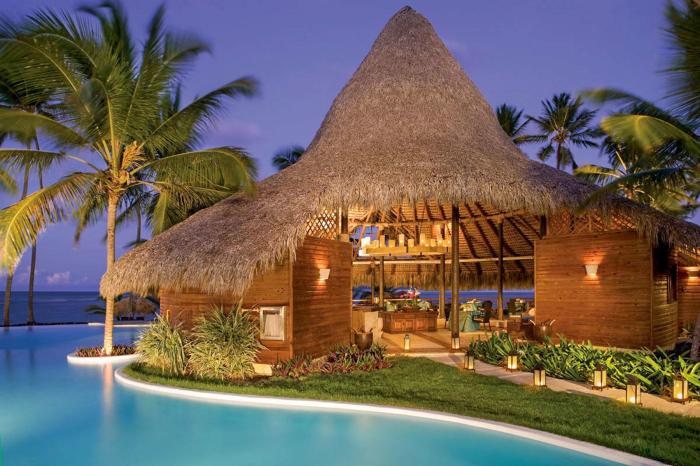
Escape the ordinary and embark on a journey to discover the world’s most luxurious and exotic vacation destinations. This exploration delves into the unique experiences, cultural nuances, and environmental considerations associated with high-end travel to these remarkable locations. From private villas nestled amidst breathtaking landscapes to exclusive resorts offering unparalleled amenities, we unveil the allure and intricacies of luxury exotic getaways.
We will examine diverse destinations, comparing their offerings, costs, and overall exclusivity. Furthermore, we will explore the importance of sustainable tourism practices and discuss emerging trends shaping the future of luxury exotic travel. This comprehensive guide aims to inspire and inform your next unforgettable adventure.
Defining “Luxury Exotic Vacation Spots”
Luxury exotic vacation spots represent the pinnacle of travel experiences, offering unparalleled exclusivity, comfort, and unique cultural immersion. These destinations are characterized by their remoteness, pristine natural beauty, and a curated selection of high-end amenities and activities, all contributing to an unforgettable journey. The defining factors extend beyond mere cost, encompassing accessibility, environmental consciousness, and the overall quality of the experience.Luxury exotic vacation spots are distinguished by several key factors.
Accessibility, while often implying a degree of difficulty in reaching the destination, usually involves seamless and luxurious transportation options, such as private jets or chartered yachts. Cost is a significant factor, reflecting the premium services and exclusive experiences offered. Unique experiences are paramount, encompassing opportunities not readily available elsewhere, such as private safaris, intimate cultural encounters, or access to unique natural wonders.
Finally, an increasing emphasis is placed on the environmental impact of these destinations, with many prioritizing sustainable practices and responsible tourism initiatives.
Types of Luxury Experiences Offered at Exotic Locations
Luxury experiences at exotic locations are diverse and tailored to individual preferences. Private villas offer complete seclusion and personalized service, providing guests with exclusive access to amenities and breathtaking views. Overwater bungalows, often found in tropical locales, provide a unique blend of luxury and tranquility, allowing guests to wake up to the sounds of the ocean. Exclusive resorts, while offering a range of amenities and activities, carefully curate their offerings to provide a distinct and sophisticated experience, often focusing on specific themes such as wellness or adventure.
These resorts frequently feature personalized concierge services, fine dining options, and access to unique local experiences.
Comparative Table of Luxury Exotic Vacation Destinations
The following table compares three distinct luxury exotic vacation destinations based on price range, activities offered, and overall exclusivity. The price range is an approximation and can vary significantly depending on the time of year and specific accommodations chosen.
| Destination | Price Range (per person, 7 days) | Activities Offered | Exclusivity |
|---|---|---|---|
| The Maldives | $10,000 – $50,000+ | Diving, snorkeling, private yacht charters, spa treatments, fine dining | High; many resorts are located on private islands |
| The Serengeti, Tanzania | $15,000 – $30,000+ | Luxury safari lodges, game drives, hot air balloon safaris, guided nature walks | High; limited access and exclusivity of lodges |
| Bora Bora, French Polynesia | $8,000 – $40,000+ | Overwater bungalow stays, jet skiing, paddleboarding, snorkeling, scuba diving, cultural tours | High; limited number of resorts and focus on personalized service |
Popular Luxury Exotic Vacation Destinations
Luxury exotic vacations represent the pinnacle of travel experiences, offering discerning travelers unparalleled opportunities for relaxation, adventure, and cultural immersion. These destinations are characterized by their unique landscapes, rich cultural heritage, and exceptional levels of service, catering to a clientele seeking exclusivity and unforgettable memories.
Five Popular Luxury Exotic Vacation Destinations
The following five destinations exemplify the diverse range of luxury exotic travel experiences available globally. Their selection considers factors such as accessibility, infrastructure, unique selling points, and the target audience they typically attract.
- The Maldives: Known for its overwater bungalows, pristine beaches, and unparalleled diving opportunities, the Maldives appeals to couples seeking romantic getaways and families looking for luxurious relaxation. The target audience is typically high-net-worth individuals and families who value privacy, exclusivity, and exceptional service. The unique selling point is the unparalleled beauty of the turquoise waters and the intimate, secluded nature of the resorts.
- Bora Bora, French Polynesia: This iconic South Pacific island offers breathtaking volcanic landscapes, crystal-clear lagoons, and luxurious overwater bungalows. Bora Bora attracts honeymooners, couples, and affluent travelers seeking a romantic escape in a stunning natural setting. Its unique selling point is its iconic beauty, often depicted in travel magazines and media, and the diverse range of water activities available.
- Safari in Tanzania, Africa: A Tanzanian safari provides an unparalleled wildlife viewing experience, allowing guests to witness the “Big Five” and other incredible animals in their natural habitat. Luxury safari lodges offer unparalleled comfort and personalized service. The target audience includes adventure-seekers, nature enthusiasts, and those seeking a unique and immersive cultural experience. The unique selling point is the unparalleled wildlife viewing and the opportunity to experience the raw beauty of the African savanna.
- Kyoto, Japan: This ancient capital offers a blend of traditional Japanese culture and modern luxury. Guests can explore serene gardens, ancient temples, and experience traditional tea ceremonies. Luxury accommodations in Kyoto range from traditional Ryokans (Japanese inns) to modern high-rise hotels. The target audience is culturally curious travelers who appreciate history, art, and refined elegance. The unique selling point is the unparalleled blend of traditional Japanese culture and modern luxury.
- The Amalfi Coast, Italy: This stunning coastline offers breathtaking views, charming villages, and luxurious villas. Guests can enjoy fine dining, explore picturesque towns like Positano and Amalfi, and relax on pristine beaches. The target audience includes those seeking a luxurious Mediterranean escape with a focus on culture, history, and gastronomy. The unique selling point is the dramatic coastal scenery, the charming towns, and the exceptional culinary experiences.
Geographic Visualization of Destinations
Imagine a world map. The Maldives are located in the Indian Ocean, southwest of India. Bora Bora is situated in the South Pacific Ocean, part of French Polynesia. Tanzania is in East Africa, significantly south of the equator. Kyoto is located on the island of Honshu, in central Japan.
Finally, the Amalfi Coast is situated in southern Italy, on the western side of the Italian peninsula. These locations are geographically dispersed, representing diverse regions and climates across the globe. The Maldives and Bora Bora are relatively close in terms of their position within the tropical regions of the Indian and Pacific Oceans, respectively, while the other three locations are significantly farther apart, spanning continents.
Cultural Aspects and Environmental Considerations
Tourism in these luxury destinations presents both opportunities and challenges. Cultural sensitivity is paramount; respecting local customs and traditions is crucial for sustainable tourism. Responsible tourism practices, such as minimizing environmental impact and supporting local communities, are essential. For instance, in the Maldives, protecting the delicate coral reefs is vital, while in Tanzania, minimizing disruption to wildlife habitats is key.
In Kyoto, preserving the historical integrity of the city’s temples and gardens is essential. In all destinations, supporting local businesses and employing local guides helps ensure economic benefits reach the community, contributing to the sustainability of tourism in these areas.
Unique Experiences in Exotic Locations
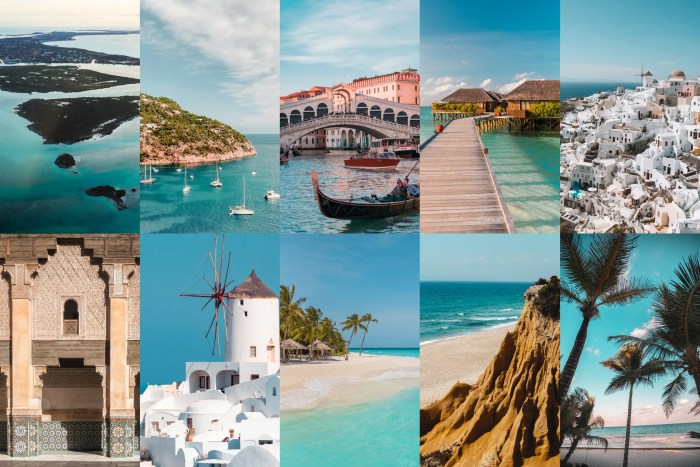
Luxury exotic vacations offer more than just stunning scenery; they provide access to unparalleled, once-in-a-lifetime experiences. These curated adventures transform a simple holiday into a truly memorable journey, often involving a level of personalization and exclusivity unavailable to the average traveler. The following explores several such unique experiences, highlighting their cost and logistical considerations.
Five Luxurious and Unique Exotic Vacation Experiences
Five distinct luxury experiences are presented below, each offering a unique perspective on exotic travel. These experiences cater to different tastes and budgets, providing a range of options for discerning travelers. The following details provide a comparative overview, allowing for informed decision-making.
- Private Island Getaway: Imagine spending days on your own private island in the Maldives or Fiji. This experience offers ultimate seclusion and personalized service. Costs typically range from $10,000 to $50,000+ per night, depending on the size of the island, amenities, and level of service. Logistical considerations include private jet travel and pre-arranged catering and activities.
- Wildlife Safari in Tanzania: Witness the Great Migration in Tanzania with a luxury safari experience. This includes staying in exclusive lodges, private game drives in open-top Land Rovers, and expert guides. Expect to pay $5,000-$20,000+ per person for a week-long safari, depending on the lodge and level of exclusivity. Logistics involve international flights, internal flights within Tanzania, and potential visa requirements.
- Hot Air Balloon Ride over Cappadocia, Turkey: Soar above the surreal landscape of Cappadocia in a hot air balloon at sunrise. This breathtaking experience provides unparalleled views of the fairy chimneys and valleys. Costs typically range from $200-$500 per person. Logistical considerations are minimal, with pre-booked tours easily accessible.
- Private Yacht Charter in the Mediterranean: Explore the Greek Islands or the Amalfi Coast aboard a luxury yacht. This experience offers flexibility, personalized itineraries, and access to secluded coves and beaches. Costs vary dramatically based on yacht size and duration, ranging from $10,000-$100,000+ per week. Logistical planning involves choosing the yacht, itinerary, and crew, and arranging transportation to the departure point.
- Amazon Rainforest Lodge Stay: Immerse yourself in the Amazon rainforest with a stay at a luxurious eco-lodge. This experience combines comfort with sustainable tourism, allowing for exploration of the rainforest’s unique flora and fauna. Costs typically range from $500-$2000 per night, depending on the lodge and amenities. Logistics involve flights to a nearby city, followed by a boat or smaller plane transfer to the lodge.
Comparative Analysis of Unique Experiences
The table below summarizes the cost and logistical aspects of each experience, facilitating a comparison.
| Experience | Cost Range | Logistical Complexity |
|---|---|---|
| Private Island Getaway | $10,000 – $50,000+/night | High |
| Wildlife Safari in Tanzania | $5,000 – $20,000+/person (week) | Medium-High |
| Hot Air Balloon Ride over Cappadocia | $200 – $500/person | Low |
| Private Yacht Charter in the Mediterranean | $10,000 – $100,000+/week | High |
| Amazon Rainforest Lodge Stay | $500 – $2000/night | Medium |
Ten-Day Luxury Exotic Vacation Itinerary
This itinerary incorporates three unique experiences: a private island getaway, a wildlife safari, and a hot air balloon ride.
Day 1-3: Private Island Getaway in the Maldives. Relaxation, personalized service, and water sports.
Day 4-7: Wildlife Safari in Tanzania. Game drives, exploring the Serengeti, and experiencing the African bush.
Day 8: Travel day – Flight from Tanzania to Cappadocia, Turkey.
Day 9: Hot Air Balloon Ride over Cappadocia at sunrise. Exploring the unique landscape of Cappadocia.
Day 10: Departure from Cappadocia.
Sustainability and Responsible Tourism in Exotic Locations
The burgeoning luxury tourism sector, while offering unparalleled experiences, presents a complex relationship with the environment and local communities in exotic locations. The pursuit of lavish accommodations and unique activities often necessitates significant resource consumption and can inadvertently contribute to environmental degradation and social inequities. However, a growing awareness of these impacts is fostering a shift towards more sustainable and responsible tourism practices.
This section examines both the positive and negative environmental consequences of luxury tourism and explores strategies for mitigating its footprint.
Luxury tourism in exotic locations presents a double-edged sword. On one hand, the influx of revenue can stimulate local economies, providing employment opportunities and funding for conservation initiatives. High-end resorts often invest in infrastructure improvements, such as upgraded roads and utilities, benefiting the wider community. On the other hand, the environmental costs can be substantial. The construction of large resorts often leads to habitat destruction and biodiversity loss.
Increased water and energy consumption, waste generation, and carbon emissions associated with travel to and from these destinations all contribute to a significant environmental burden. Furthermore, the concentration of tourism in specific areas can lead to overcrowding, pollution, and the erosion of cultural heritage.
Sustainable Tourism Practices in Luxury Resorts
Luxury resorts can implement a range of sustainable practices to minimize their environmental impact. These practices encompass various aspects of resort operations, from energy and water management to waste reduction and community engagement. Effective strategies include investing in renewable energy sources such as solar and wind power, implementing water conservation technologies, adopting zero-waste management systems, and sourcing locally produced food and materials.
Furthermore, resorts can actively engage with local communities, ensuring that tourism benefits are shared equitably and that cultural heritage is preserved. Examples include employing local staff, supporting local businesses, and contributing to community development projects.
A Sustainable Tourism Promotional Campaign for a Luxury Resort
This campaign, titled “Preserving Paradise: Luxury with a Conscience,” would focus on showcasing the resort’s commitment to environmental sustainability and responsible tourism. The campaign would feature high-quality photography and videography depicting the resort’s stunning natural setting and the various sustainable practices implemented. A dedicated website and social media channels would highlight specific initiatives, such as the resort’s renewable energy sources, water conservation efforts, and community engagement programs.
The campaign would also emphasize the unique cultural experiences offered, showcasing the resort’s collaboration with local artisans and communities. Print advertisements in luxury travel magazines and partnerships with environmentally conscious travel agencies would further amplify the message. The campaign’s overall tone would be sophisticated and aspirational, appealing to discerning travelers who value both luxury and environmental responsibility.
The campaign slogan, “Indulge Responsibly,” would succinctly capture the essence of the resort’s commitment to sustainable luxury.
Exotic Destinations
Exploring the world’s most luxurious and exotic locales offers a unique blend of breathtaking natural beauty and immersive cultural experiences. These destinations cater to a diverse range of travelers, from adventure-seeking thrill-seekers to families seeking memorable experiences and couples looking for romantic getaways. The level of luxury, and therefore cost, varies greatly depending on the specific experiences chosen and the time of year.
Five Luxurious Exotic Destinations
This section provides detailed descriptions of five distinct exotic destinations, highlighting their cultural richness and natural splendor. Each destination offers a unique appeal, catering to different travel styles and budget preferences within the luxury travel market.
- The Maldives: Known for its stunning overwater bungalows, pristine beaches, and vibrant coral reefs, the Maldives offers unparalleled luxury and relaxation. The culture is deeply rooted in Islam, reflected in its architecture, customs, and cuisine. Activities range from snorkeling and diving to indulging in spa treatments and enjoying private sunset cruises. Luxury options range from budget-friendly boutique hotels to exclusive private island resorts, accommodating various budget levels.
- Bora Bora, French Polynesia: This volcanic island paradise is renowned for its turquoise lagoons, lush mountains, and luxurious overwater bungalows. French Polynesian culture is a blend of Polynesian traditions and French influences, visible in its cuisine, language, and art. Activities include swimming with manta rays, exploring the coral gardens, and indulging in couples’ spa treatments. Luxury accommodations range from mid-range resorts to exclusive private villas, providing choices across a broad budget spectrum.
- Tanzania, Africa: Tanzania offers a unique blend of adventure and luxury. The Serengeti National Park provides breathtaking wildlife safaris, while Zanzibar’s pristine beaches offer relaxation and cultural immersion. The Swahili culture, a rich blend of African, Arab, and Indian influences, is evident in its architecture, music, and cuisine. Luxury safaris can be tailored to various budgets, from comfortable lodges to exclusive private camps.
Zanzibar offers a similar range in luxury accommodations.
- Kyoto, Japan: This ancient capital city boasts exquisite temples, traditional gardens, and a rich cultural heritage. Kyoto’s culture is deeply rooted in its history, evident in its tea ceremonies, geisha districts, and traditional arts. Luxury experiences include staying in traditional Ryokans (Japanese inns), attending tea ceremonies, and exploring serene gardens. Luxury options range from boutique hotels to high-end Ryokans, offering varying price points.
- Machu Picchu, Peru: Machu Picchu, a breathtaking Inca citadel nestled high in the Andes Mountains, offers a unique blend of history and adventure. Peruvian culture is a fascinating mix of indigenous traditions and Spanish colonial influences, reflected in its textiles, cuisine, and music. Luxury experiences include trekking the Inca Trail (requiring permits and advanced booking), staying in luxurious hotels in Cusco, and exploring the Sacred Valley.
Luxury travel options cater to different budgets, from comfortable hotels to exclusive lodges.
Suitability for Different Traveler Types
The suitability of these destinations varies significantly depending on the type of traveler.
- Adventure Seekers: Tanzania (safaris, trekking) and Machu Picchu (trekking) are ideal for adventure-seeking travelers. Bora Bora offers opportunities for water sports.
- Families: The Maldives and Bora Bora offer family-friendly resorts with dedicated kids’ clubs and activities. Kyoto provides a rich cultural experience suitable for families interested in history and tradition.
- Couples: The Maldives and Bora Bora are exceptionally romantic destinations, perfect for couples seeking seclusion and luxury. Kyoto offers a unique cultural experience for couples interested in history and tradition.
Luxury Accommodation Options Across Budget Levels
Each destination offers a range of luxury accommodations to suit different budgets.
While all the destinations mentioned offer luxury experiences, the cost can vary significantly. For example, a stay in an overwater bungalow in the Maldives can range from several hundred dollars per night in a more modest resort to several thousand dollars in an exclusive private island resort. Similarly, a luxury safari in Tanzania can range from comfortable lodges to exclusive private camps with vastly different price tags.
Kyoto offers a range of luxury hotels and traditional Ryokans, with prices varying depending on the level of luxury and amenities. In Machu Picchu, the cost is largely driven by the type of accommodation chosen and whether or not one opts for a guided Inca Trail trek. Bora Bora also provides options spanning various price points, ranging from mid-range resorts to extremely exclusive private villas.
The Future of Luxury Exotic Travel
The luxury exotic travel market is poised for significant transformation in the coming decade, driven by evolving traveler preferences, technological advancements, and global shifts. While challenges remain, the industry’s adaptability and focus on personalized experiences suggest a bright future, albeit one that necessitates a conscious commitment to sustainability and responsible tourism.Emerging trends are reshaping the landscape of luxury exotic travel, creating opportunities for both travelers and providers.
Personalized Experiences and Bespoke Itineraries
The demand for highly personalized travel experiences is rapidly increasing. Luxury travelers are no longer content with pre-packaged tours; they seek unique, tailored itineraries that reflect their individual interests and preferences. This translates into a rise in concierge services that go beyond simple booking and encompass every aspect of the trip, from private jet charters and exclusive villa rentals to curated cultural immersion programs and personalized adventure activities.
For example, a traveler might commission a bespoke itinerary that includes a private cooking class with a renowned chef in Tuscany, followed by a hot air balloon ride over the Napa Valley vineyards, culminating in a private wine tasting at a family-owned winery. This level of personalization commands a premium price, but the exclusivity and unique memories created are highly valued.
Wellness Tourism and Holistic Experiences
Wellness tourism is experiencing explosive growth, with luxury travelers increasingly prioritizing physical and mental well-being. Exotic locations, with their natural beauty and tranquility, offer ideal settings for wellness retreats and rejuvenation programs. This includes everything from yoga and meditation retreats in Bali to Ayurvedic treatments in India and spa experiences in secluded island resorts. The integration of wellness into the overall travel experience is becoming a key differentiator for luxury providers, with some resorts incorporating wellness activities into all aspects of the stay, from mindful dining to personalized fitness programs.
For instance, a luxury resort in the Maldives might offer daily sunrise yoga sessions, healthy and locally sourced cuisine, and access to private wellness consultants.
Adventure Travel and Experiential Tourism
While relaxation remains important, a growing segment of luxury travelers is seeking adventure and immersive experiences. This includes expeditions to remote destinations, such as trekking in the Himalayas or exploring the Amazon rainforest, as well as participation in unique activities, such as wildlife safaris, hot air ballooning, and private yacht charters. The focus is on authentic experiences that allow travelers to connect with local cultures and environments.
A prime example would be a guided expedition to Antarctica, combining luxury accommodation with opportunities for wildlife viewing, kayaking, and exploring pristine landscapes.
Challenges Facing the Luxury Exotic Travel Industry
The luxury exotic travel industry faces several significant challenges that will shape its future trajectory.
Climate Change and Environmental Sustainability
Climate change poses a direct threat to many exotic destinations, with rising sea levels, extreme weather events, and environmental degradation impacting the very appeal of these locations. This necessitates a shift towards sustainable tourism practices, including reducing carbon footprints, minimizing environmental impact, and supporting local conservation efforts. The industry must adapt by embracing eco-friendly accommodations, promoting responsible travel behaviors, and investing in sustainable infrastructure.
For instance, a luxury lodge in the Amazon might invest in renewable energy sources and implement strict waste management protocols to minimize its environmental footprint.
Geopolitical Instability and Travel Restrictions
Geopolitical instability and travel restrictions can significantly impact the luxury exotic travel market. Political unrest, health crises, and security concerns can disrupt travel plans, leading to cancellations and reduced demand. The industry needs to develop strategies for managing risk and ensuring the safety and security of travelers, potentially by offering alternative destinations or flexible booking policies. For example, a tour operator specializing in African safaris might need to adapt itineraries based on real-time security assessments and offer travel insurance that covers unforeseen circumstances.
Technological Advancements and Changing Traveler Preferences
Technological advancements will continue to shape the future of luxury exotic travel. Artificial intelligence (AI) will play an increasingly important role in personalization, with AI-powered tools used to curate customized itineraries and provide real-time travel assistance. Virtual and augmented reality (VR/AR) technologies could offer immersive previews of destinations, enhancing the booking process and managing expectations. Furthermore, travelers are increasingly using technology to research and book their trips independently, demanding seamless online experiences and personalized digital interactions.
A luxury travel agency, for instance, might leverage AI to recommend destinations based on a traveler’s past experiences and preferences, creating a truly personalized booking experience.
Prediction for the Future of Luxury Exotic Travel (Next 10 Years)
Over the next decade, luxury exotic travel will be characterized by hyper-personalization, sustainable practices, and technological integration. We predict a rise in “slow travel,” with travelers prioritizing longer stays in fewer destinations to foster deeper cultural immersion and minimize their environmental impact. AI-powered concierge services will become the norm, anticipating traveler needs and proactively addressing potential issues. Virtual and augmented reality will enhance the pre-trip experience, offering immersive previews of destinations and activities.
Furthermore, wellness tourism will continue to gain momentum, with luxury providers integrating holistic experiences into every aspect of the travel journey. The industry will face ongoing challenges related to climate change and geopolitical instability, but the focus on sustainability and responsible tourism will become increasingly crucial for its long-term success. The successful luxury exotic travel companies will be those that adapt to these changes, embracing technology, prioritizing sustainability, and consistently delivering exceptional personalized experiences.
Ultimately, the pursuit of a luxury exotic vacation is about more than just opulence; it’s about creating lasting memories and fostering a deeper appreciation for the world’s diverse cultures and natural wonders. By embracing responsible tourism practices and selecting destinations that prioritize sustainability, travelers can contribute to the preservation of these precious environments for generations to come. The journey to discovering your perfect luxury escape begins here.
FAQs
What is the average cost of a luxury exotic vacation?
Costs vary dramatically depending on the destination, duration, and level of luxury desired. Expect to spend anywhere from several thousand to tens of thousands of dollars per person.
What are the best times to visit specific exotic locations?
Optimal travel times depend heavily on the destination’s climate and weather patterns. Researching the specific seasons and potential for rain or extreme temperatures is crucial for planning.
How can I ensure my luxury exotic vacation is environmentally responsible?
Choose eco-conscious resorts, minimize your carbon footprint by selecting direct flights when possible, support local businesses, and respect local customs and environments.
What kind of visas or vaccinations might I need?
Visa requirements vary significantly by nationality and destination. Check with the relevant embassy or consulate well in advance of your trip. Consult your doctor regarding necessary vaccinations and health precautions.


